
When it comes time for a big celebration, hosting should feel like a joy, not a chore, right? That’s the lesson I learned watching my Nona pull off incredible holiday main dish spreads back in Chicago. For those special spring gatherings, especially if you’re planning your Easter dinner ideas, nothing says ‘centerpiece’ quite like a gorgeous, herb-crusted leg of lamb. Forget the stress, though; I’ve developed a fail-proof technique I call high-to-low heat roasting that guarantees you get that impossibly flavorful crust while keeping the inside tender and pink. Trust me, this method for your herb roasted leg of lamb is pure Nona magic—delicious results without the constant hovering!
- Why This Herb Roasted Leg of Lamb is Your Go-To Holiday Main Dish
- Essential Ingredients for Garlic and Rosemary Lamb
- Equipment Needed for How to Roast Leg of Lamb
- Step-by-Step Guide to Herb Roasted Leg of Lamb
- Achieving Perfect Doneness for Your Spring Lamb Roast
- Serving Suggestions for Your Easter Dinner Ideas
- Storage and Reheating Instructions for Leftover Herb Roasted Leg of Lamb
- Frequently Asked Questions About Roasting Lamb
- Understanding the Nutrition of This Recipe
Why This Herb Roasted Leg of Lamb is Your Go-To Holiday Main Dish
Look, planning a big holiday meal can be overwhelming, but this lamb roast makes you look like a culinary genius with minimal effort. This isn’t just any roast; it’s structured for success, which is why I always turn to it for a memorable spring lamb roast. Here’s what makes this recipe my absolute favorite centerpiece:
- Incredible flavor payoff from just a few simple herbs and garlic.
- The high-to-low heat method is straightforward—it really is foolproof!
- It looks magnificent on the table, truly celebrating the day.
Achieving the Perfect Herb Crust
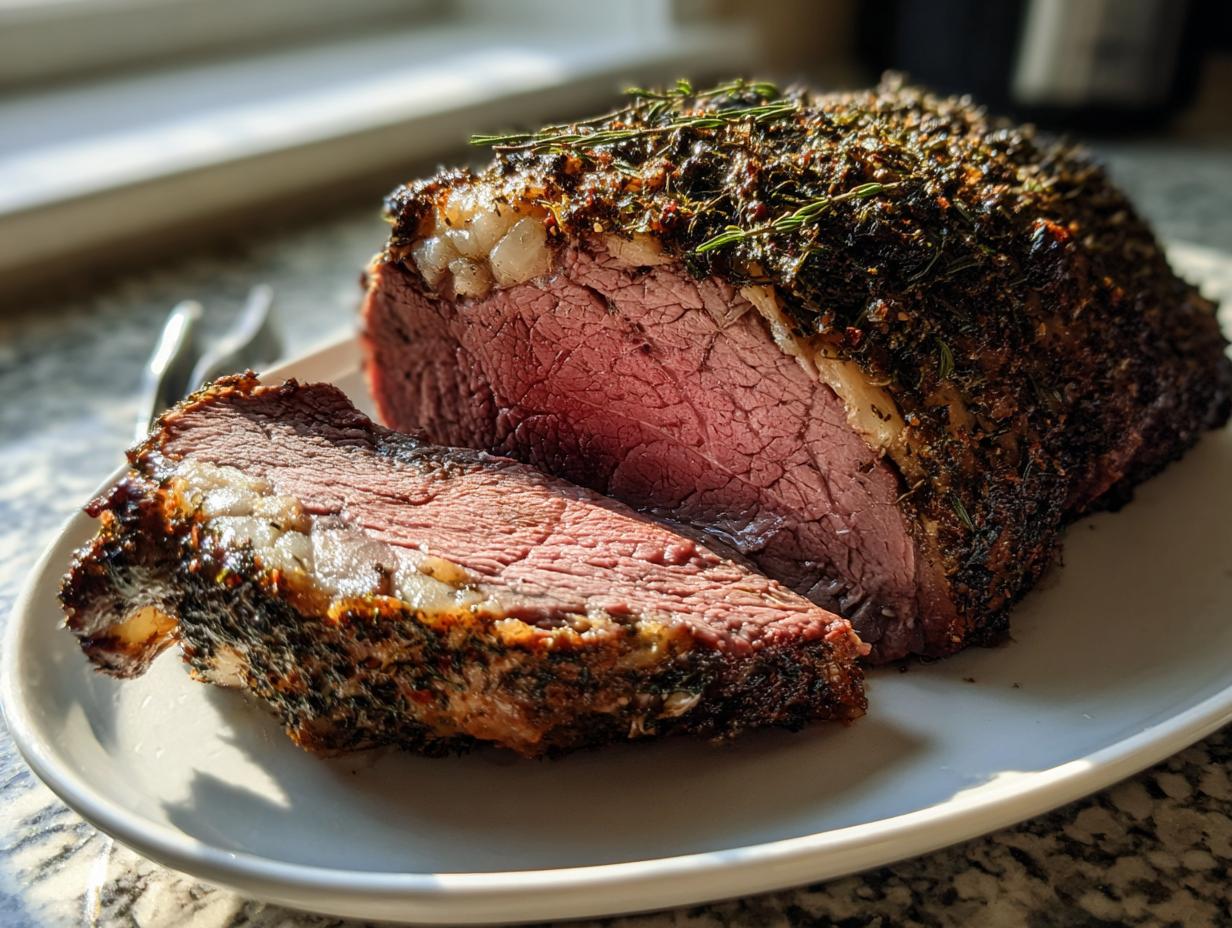
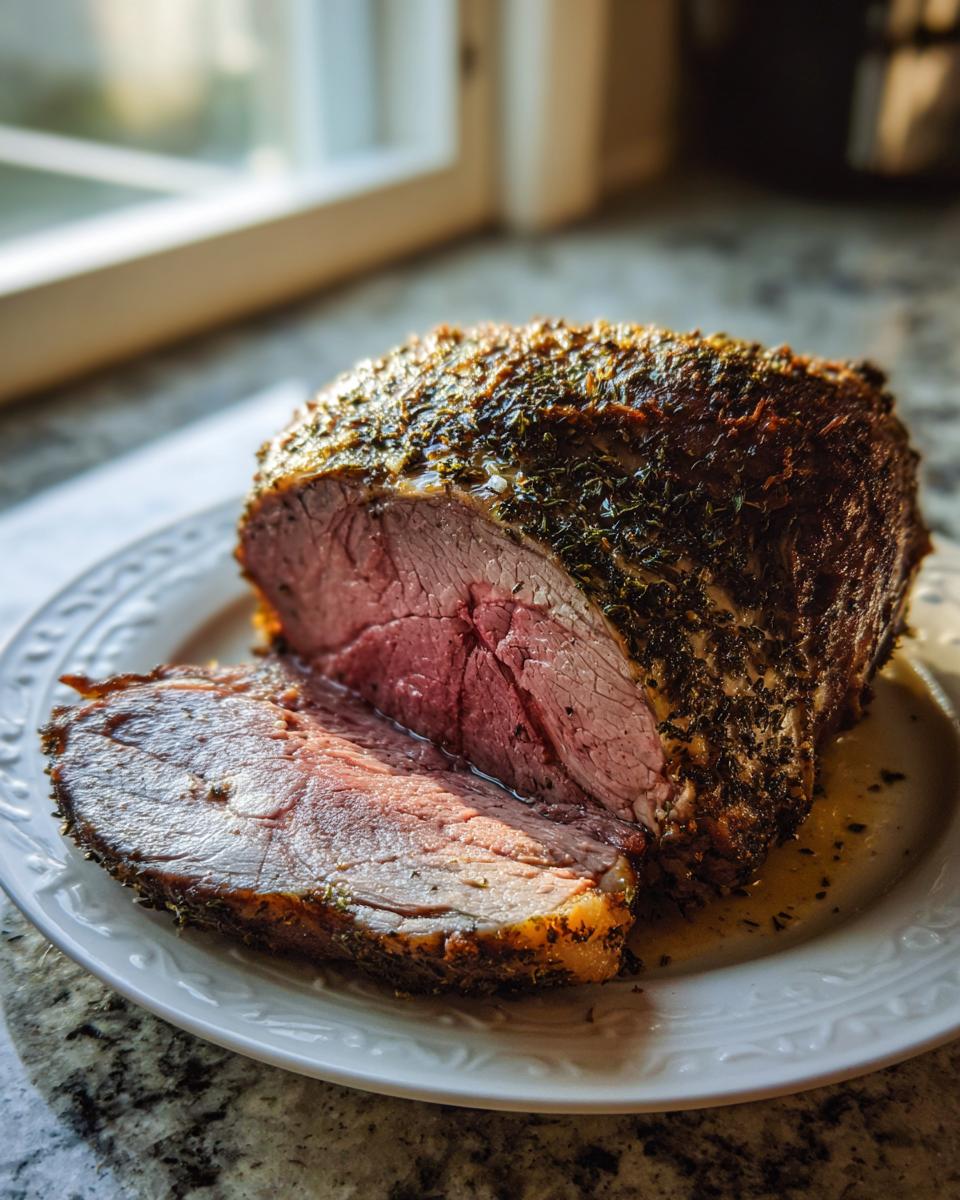
That gorgeous, deeply savory crust you see on amazing roasts? That comes from kissing the meat with high heat right at the start. We blast the oven to 450 degrees for the first twenty minutes. This quick, intense heat sets the olive oil, salt, and herbs right onto the surface of the herb roasted leg of lamb. It locks in all that aromatic goodness before the inside even starts to truly cook.
Fail-Proof Temperature Control
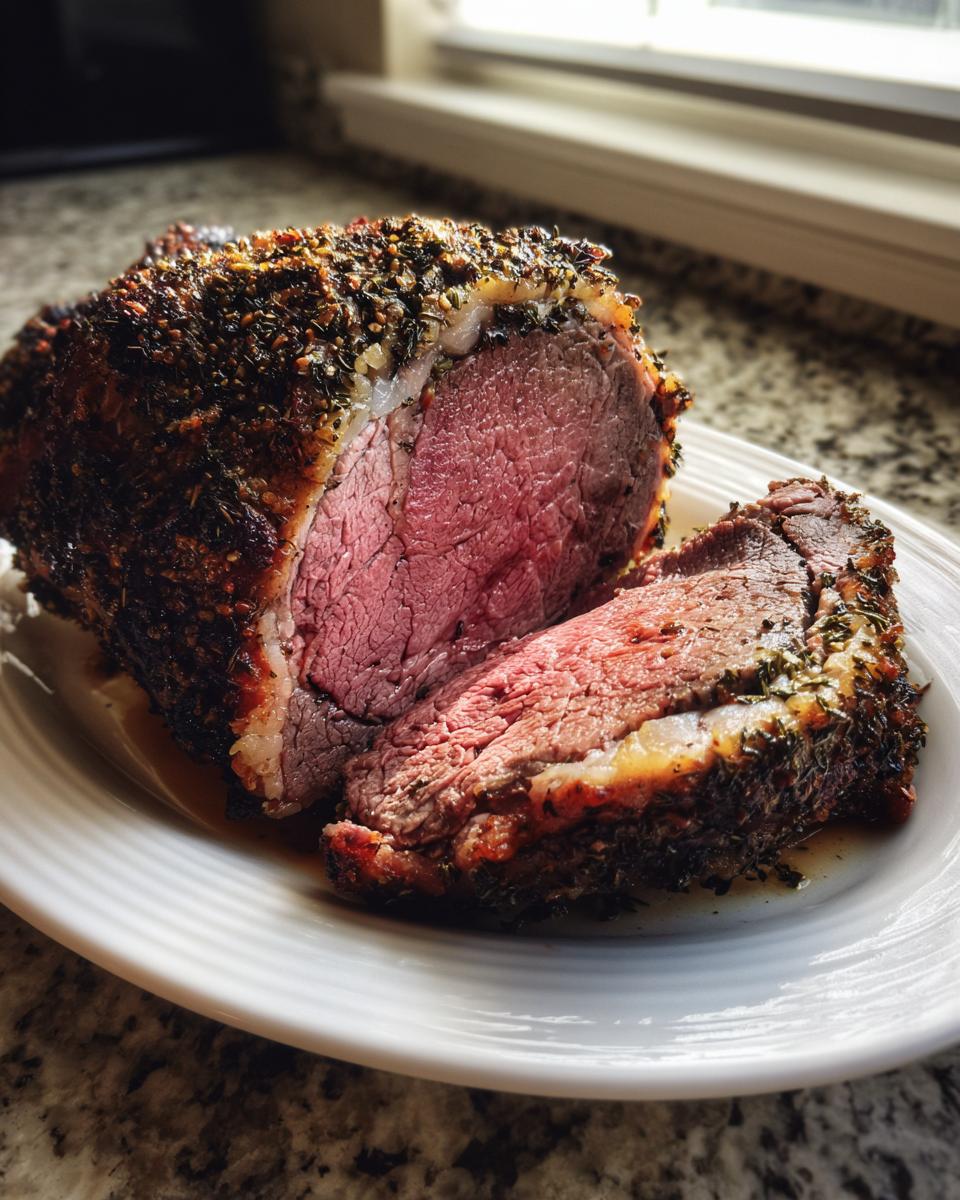
Once that crust is set, we drop the temperature way down to 325 degrees. This slow, gentle cooking is the secret to avoiding the dry, overcooked edges that plague so many roasts. The high-to-low heat roasting method ensures that once you hit your perfect internal temperature, you know the center is going to be just right. It takes the guesswork out of cooking a premium cut!
Essential Ingredients for Garlic and Rosemary Lamb
Okay, for a centerpiece this special, you cannot skimp on the quality of what goes on the lamb itself. I’ve listed exactly what you need below. Remember, we’re going for huge flavor here, and that means fresh herbs are everything. We are using a 5 to 7-pound bone-in leg of lamb—I strongly recommend bone-in; it just adds so much more flavor and protection against drying out!
- 1 (5-7 pound) bone-in leg of lamb
- 6 cloves garlic, thinly sliced
- 4 big sprigs fresh rosemary
- 4 fat sprigs fresh thyme
- 1/4 cup good olive oil
- 2 hefty tablespoons coarse salt (don’t use table salt!)
- 1 tablespoon fresh ground black pepper
- 1 teaspoon dried oregano
Ingredient Notes and Substitutions
Sourcing is everything here, especially for your garlic and rosemary lamb. If you can only find a boneless leg, that’s fine, but I swear it cooks about 15 minutes faster. Always check that thermometer! If you are absolutely buried in snow and can’t find fresh rosemary or thyme, you can substitute dried herbs, but you must cut the amount way down—think maybe 1 teaspoon total of dried herbs instead of the 8 sprigs of fresh we are using here. The fresh stuff really helps build that crust, though!
Equipment Needed for How to Roast Leg of Lamb
Since this technique is hands-off once it gets going, you need the right tools to set yourself up for success. You can’t nail this how to roast leg of lamb guide without them! You’ll absolutely need a sturdy roasting pan with a small rack that fits inside. This keeps the lamb elevated so air circulates underneath. And please, please, use a reliable meat thermometer! It’s the only way to nail that 130-degree target perfectly.
Step-by-Step Guide to Herb Roasted Leg of Lamb
Here is where the magic happens, but honesty time: the real work—the scoring and stuffing—needs to happen before the oven even thinks about getting hot! First things first, you absolutely must remove that beautiful leg of lamb from the fridge about two full hours before cooking. It needs to relax and come towards room temperature; otherwise, the outside cooks way before the inside is ready. Pat it down aggressively with paper towels until it’s bone dry. If it’s wet, you get steamed lamb, and we want a crust! Don’t forget to make sure your oven is ready to handle the heat.
Preparing the Herb and Garlic Rub
This is called studding, and Nona used to say it makes the meat taste like it grew right out of the herb garden! Take that small, sharp knife—be careful with this bit—and carve little pockets all over the surface of the lamb. We aren’t making huge gashes, just deep enough to nestle in those thin garlic slices and small sprigs of rosemary and thyme. Once all those little flavor bombs are tucked in snug, smear the entire thing—every nook and cranny—with that seasoned olive oil mixture. This rub is what gives us that incredible herb roasted leg of lamb crust!
Executing the High-to-Low Heat Roasting Method
Now we activate the high-to-low heat roasting technique. Preheat your oven to a blazing 450 degrees Fahrenheit. Pop that leg of lamb, fat side up, directly into the roasting pan on its rack. Let it roast high and fast for exactly 20 minutes. This is setting the crust! After those 20 minutes, you need to reduce the heat to 325 degrees. The biggest tip here, and this is critical: resist the urge to open the door when you turn the temperature down. Let the oven manage the transition. Keep it low and slow until that thermometer tells you it’s done!
Achieving Perfect Doneness for Your Spring Lamb Roast
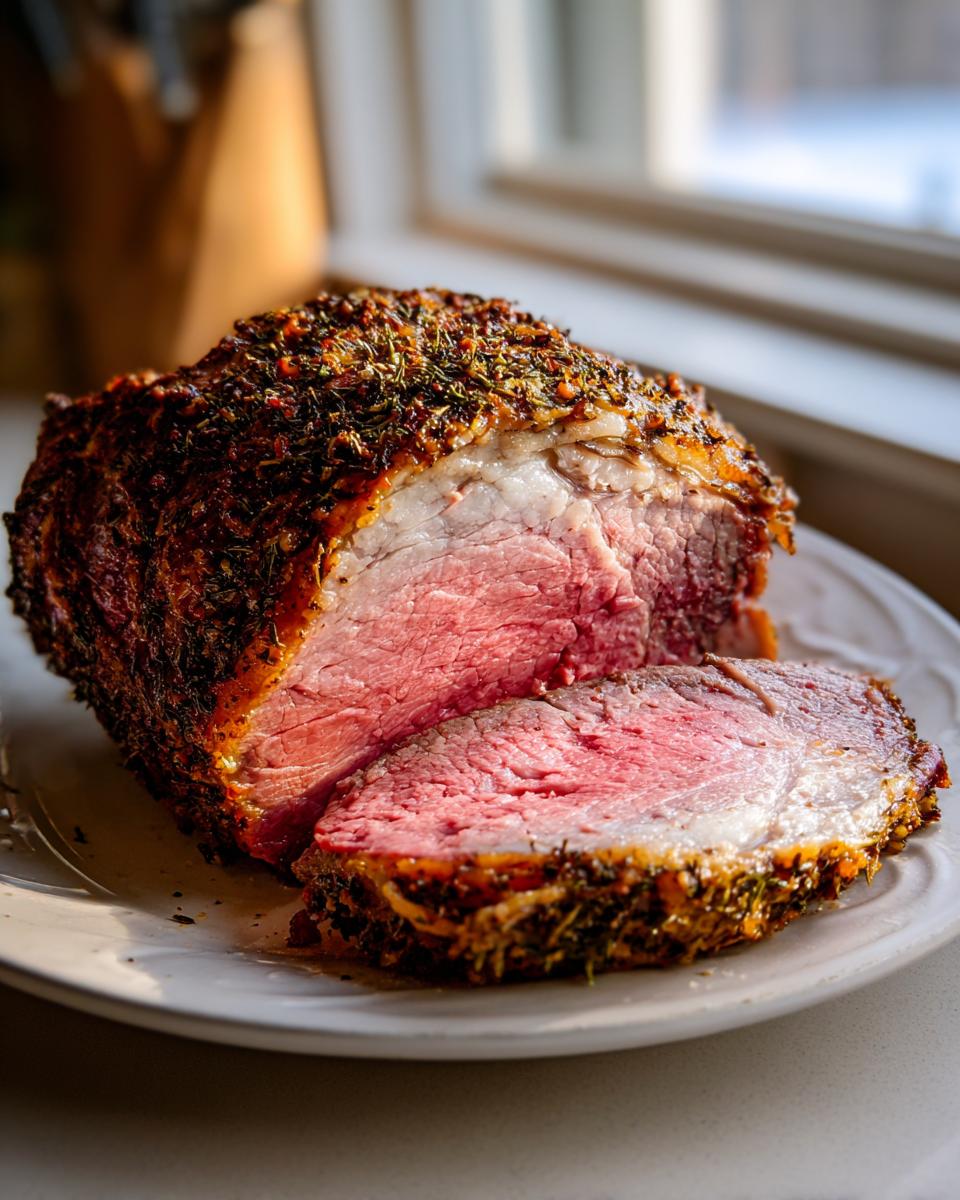
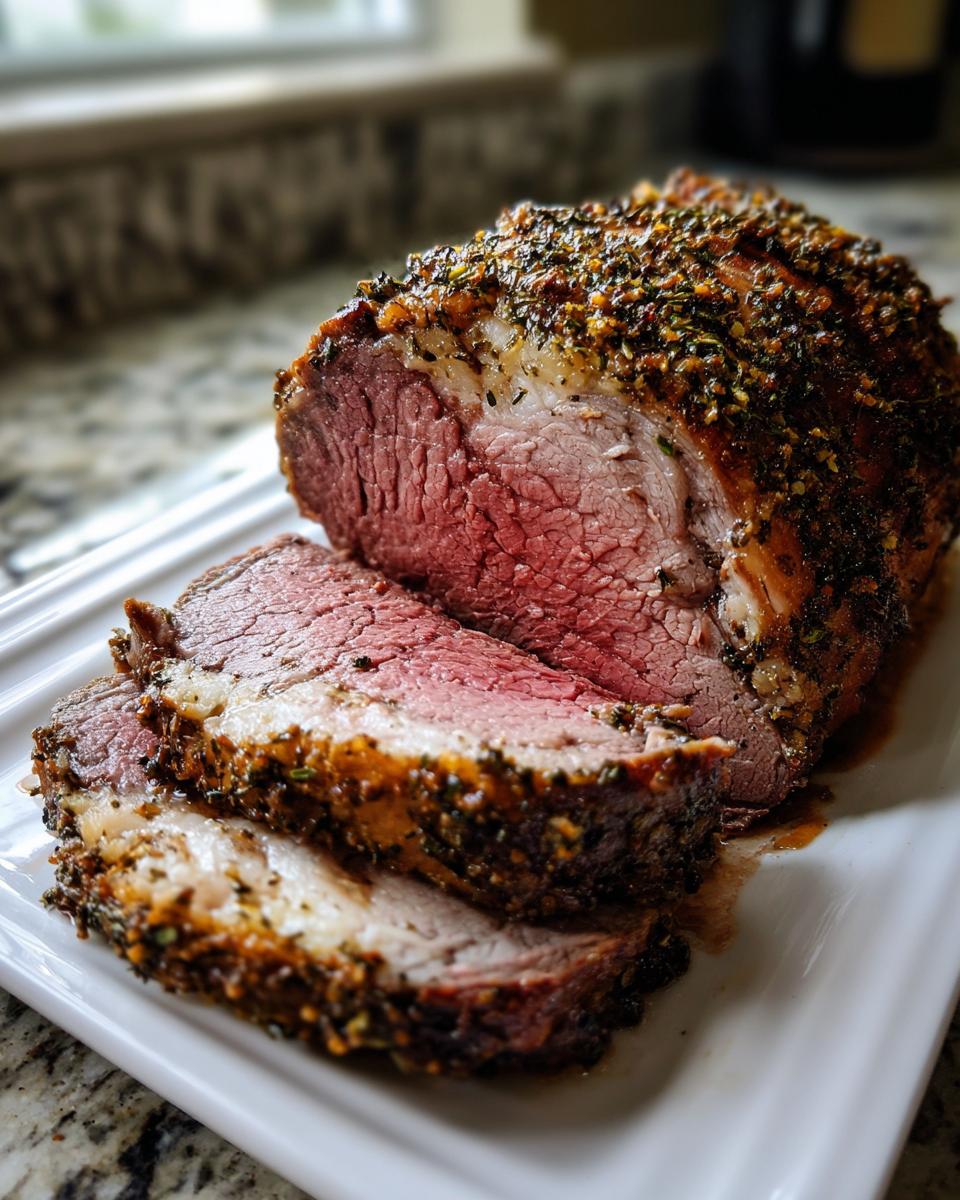
Honestly, achieving the perfect roast level is the scariest part of making a spring lamb roast, but I promise you, relying on a digital thermometer removes all the anxiety. We are aiming for 130 degrees Fahrenheit for a beautiful medium-rare, which is honestly the way this cut shines brightest. If your crowd absolutely insists on more, pull it out closer to 145 degrees, but don’t forget that the temperature will keep climbing even after it leaves the oven! As a food consultant, I saw firsthand how many people ruined great roasts by cutting too soon—don’t be one of them!
The Critical Resting Period
This is a non-negotiable step, truly the final act of cooking. Once you pull that gorgeous lamb out at 130°F, it needs a 20-minute rest, loosely tented with foil. During this time, the muscle fibers relax, and all those delicious juices redistribute throughout the meat instead of running out onto your cutting board. When it rests, the temperature creeps up another 5 degrees, landing you right in that perfect medium-rare zone. Trust me, patience pays off huge here!
Serving Suggestions for Your Easter Dinner Ideas
Since this magnificent herb roasted leg of lamb is meant to be the star, the sides should complement it without demanding all your attention on the big day. Keeping in line with Nona’s one-dish philosophy, let’s focus on simple, elegant companions for your easter dinner ideas. Think bright, fresh flavors that cut through the richness of the lamb. I love simple roasted asparagus drizzled with lemon—it takes about 15 minutes and is done when the lamb is resting. Alternatively, a big bowl of creamy mashed potatoes you can make ahead is always a crowd-pleaser!
Storage and Reheating Instructions for Leftover Herb Roasted Leg of Lamb
A big roast like this almost always means leftovers, and we don’t want those to dry out in the fridge! Once the lamb has completely cooled, wrap any slices tightly in plastic wrap or aluminum foil and keep them in the refrigerator for up to three or four days. When you’re ready to enjoy your leftovers, please don’t just microwave them plain—that’s just sad! The best way to reheat your herb roasted leg of lamb is to slice it thin first, then warm those slices gently in a little bit of beef broth or leftover pan juices on the stovetop. Just warm them through enough to heat up; you want to avoid any further cooking!
Frequently Asked Questions About Roasting Lamb
I always get questions when people try this recipe for the first time, usually revolving around time or substitutions. It’s totally normal when tackling a big protein like this! We want to make sure your holiday main dish comes out perfect, so let’s tackle the big ones. Don’t sweat it if you’re nervous; the high-to-low method handles most of the tricky parts for you, especially if you’re aiming for that beautiful garlic and rosemary lamb flavor profile we love.
How do I know if my lamb is cooked without a thermometer?
Oh, please don’t guess when you are dealing with a beautiful, premium cut like this! My scientific background screams that if you want guaranteed results for your spring lamb roast, you simply must invest in a reliable meat thermometer. Touching it or looking at the juices just isn’t accurate enough, and we worked too hard setting that herb crust to potentially mess up the internal temp!
Can I use dried herbs instead of fresh for this recipe?
You absolutely can, but the texture and crust won’t be quite the same since the fresh herbs melt into the oil so nicely. If you must use dried rosemary or thyme—and remember, we used four big sprigs of each fresh—you’ll want to reduce that down to about 1 teaspoon combined of the dried versions. Dried herbs are much stronger, so use them sparingly!
Understanding the Nutrition of This Recipe
When I was consulting for busy professionals, people always wanted to know if a gorgeous centerpiece like this herb roasted leg of lamb was going to derail their week! The good news is that lean lamb is actually a fantastic source of high-quality protein. Since this recipe relies mostly on meat, herbs, and a little olive oil, it manages to be rich in flavor but surprisingly clean overall.
Here are the estimated averages based on serving eight people with a 6-ounce cooked portion. Keep in mind, these numbers shift based on the fat trim on your specific cut of lamb, so view this as a helpful guideline rather than a strict science!
- Serving Size: 6 oz cooked meat
- Calories: About 450 per serving
- Protein Power: Hitting around 55 grams—that’s fantastic for staying full!
- Fat Content: About 25 grams total, with 9 grams being saturated fat.
- Carbs/Sugar: Very low, just 1-2 grams, making this perfect for most low-carb plans.
This is what I love about recipes like this holiday main dish; it’s pure, honest fuel that tastes like a massive celebration. Enjoy it knowing you’re eating something nourishing!
PrintHerb Roasted Leg of Lamb with High-to-Low Heat Roasting
Prepare a celebratory centerpiece for your holiday meal using this fail-proof method for roasting a leg of lamb, achieving a flavorful herb crust and tender interior.
- Prep Time: 25 min
- Cook Time: 2 hr 30 min
- Total Time: 2 hr 55 min
- Yield: 8 servings 1x
- Category: Main Dish
- Method: Roasting
- Cuisine: American
- Diet: Low Fat
Ingredients
- 1 (5-7 pound) bone-in leg of lamb
- 6 cloves garlic, thinly sliced
- 4 sprigs fresh rosemary
- 4 sprigs fresh thyme
- 1/4 cup olive oil
- 2 tablespoons coarse salt
- 1 tablespoon black pepper
- 1 teaspoon dried oregano
Instructions
- Remove the leg of lamb from the refrigerator 2 hours before cooking. Pat the surface completely dry with paper towels.
- In a small bowl, mix the olive oil, salt, pepper, and dried oregano.
- Using a small, sharp knife, make small incisions all over the lamb. Insert the thin slices of garlic and small sprigs of rosemary and thyme into these cuts.
- Rub the entire surface of the lamb generously with the seasoned olive oil mixture.
- Preheat your oven to 450 degrees Fahrenheit. Place the lamb, fat side up, in a roasting pan.
- Roast the lamb at 450 degrees Fahrenheit for 20 minutes to develop the herb crust. This is the high-heat stage.
- Reduce the oven temperature to 325 degrees Fahrenheit without opening the door. Continue roasting until the internal temperature reaches 130 degrees Fahrenheit for medium-rare (about 15-20 minutes per pound total cooking time after the initial high-heat blast).
- Remove the lamb from the oven when it reaches 130 degrees Fahrenheit. Tent loosely with foil and let it rest for 20 minutes before carving. The temperature will rise to about 135-140 degrees Fahrenheit during resting.
Notes
- For best results when planning your easter dinner ideas, use a reliable meat thermometer to check the internal temperature.
- If you prefer a more well-done roast, aim for an internal temperature of 145 degrees Fahrenheit before resting.
- This method works well for a spring lamb roast centerpiece.
Nutrition
- Serving Size: 6 oz cooked
- Calories: 450
- Sugar: 1
- Sodium: 350
- Fat: 25
- Saturated Fat: 9
- Unsaturated Fat: 16
- Trans Fat: 0
- Carbohydrates: 2
- Fiber: 0
- Protein: 55
- Cholesterol: 160