

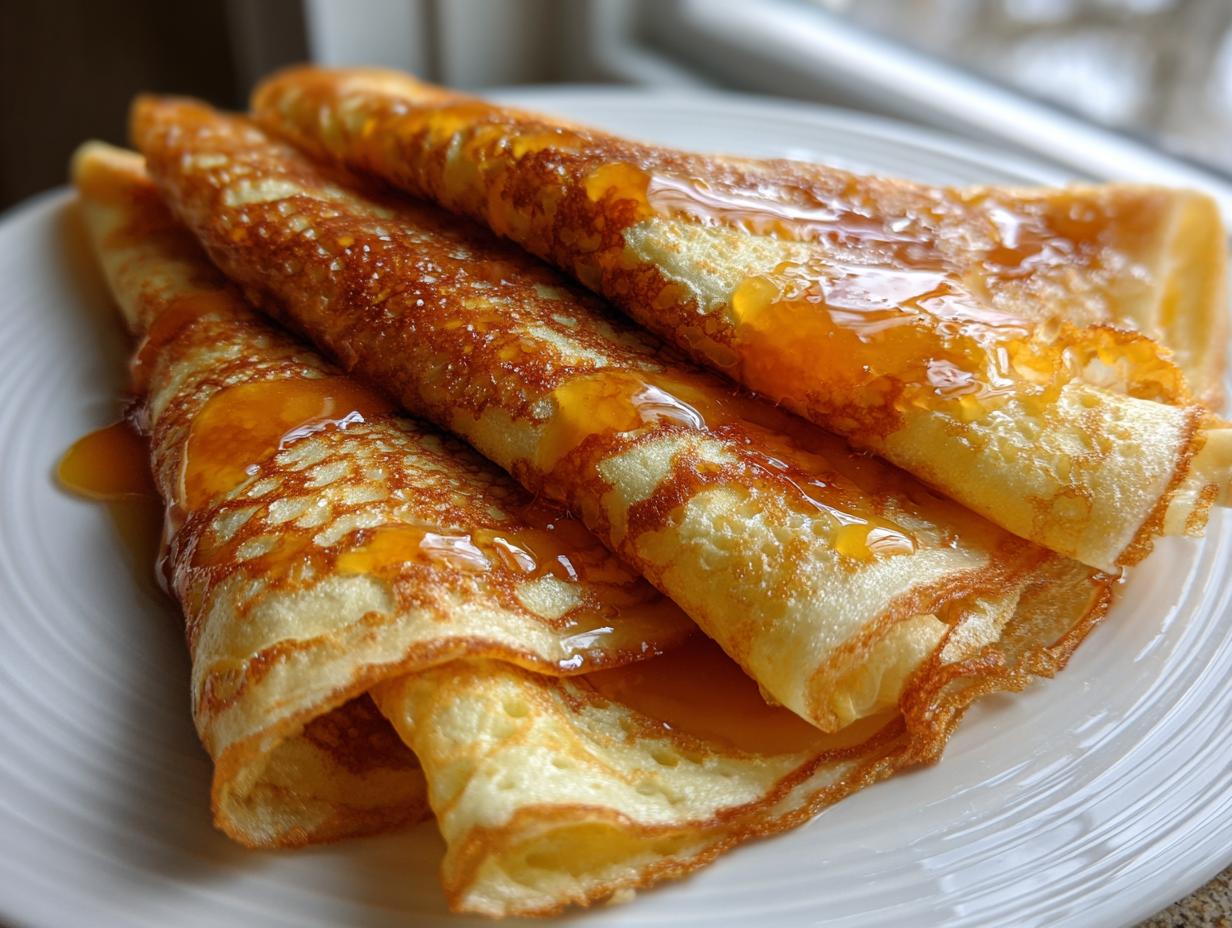
Oh my gosh, you absolutely have to try this recipe right now! With National Crepe Suzette Day just around the corner, I know you’re craving that little bit of culinary drama, that feeling of whisking up something truly elegant. We’re talking about mastering that iconic, vintage technique: the theatrical flambé!
Forget those pre-made stuffy restaurant versions. I’m showing you how to turn thin, delicate sheets of pastry into the most incredible Crepe Suzette, complete with a rich orange butter sauce that basically sings on your plate. Elena Valdez poured all her energy into making sure that challenging French pastry technique feels completely non-stressful in your home kitchen. Trust me, you are going to feel like a professional French Pastry Chef tonight, and you won’t even have a sink full of dishes afterward!
We’re aiming for maximum flavor payoff with minimum fuss. You can see the commitment to that philosophy over on our story page!
- Why This Classic Crepe Suzette Recipe Delivers French Pastry Chef Results
- Gathering Ingredients for Authentic Crepe Suzette
- Step-by-Step Guide to Perfecting Your Crepe Suzette
- Tips for Success When Making Classic Crepe Suzette
- Serving Suggestions for Your Crepe Suzette
- Storage and Reheating Instructions for Crepe Suzette
- Frequently Asked Questions About Crepe Suzette
- Estimated Nutritional Information for Crepe Suzette
- Share Your French Pastry Chef Experience
Why This Classic Crepe Suzette Recipe Delivers French Pastry Chef Results
I know what you’re thinking: Crepe Suzette sounds incredibly fancy, like something that belongs only in a Michelin-star restaurant. But that’s the beauty of what we’re doing here! Elena took all the complicated parts she learned in her food science background and stripped them down so *you* can nail this. This isn’t about sacrificing taste for ease; it’s about amplifying the experience.
When you finish this dessert, you aren’t just serving crepes; you’re proving you can handle a classic technique. That’s where the identity boost comes from—you are officially capable of making something dramatic and delicious.
Key Benefits of Mastering Crepe Suzette
- Authentic Deep Flavor: We don’t skimp on the fresh orange zest or the high-quality liqueur. That rich, caramelized orange flavor is everything you’d expect from the original French kitchens.
- Manageable Steps: While the flambé sounds intimidating, we break it down so clearly, you’ll wonder why you waited so long to try it. It truly is simpler than you think!
- Dramatic Presentation: Serving your guests a dish that literally lights up is the ultimate party trick. It brings incredible escapism right to your dining room table.
Gathering Ingredients for Authentic Crepe Suzette
Okay, let’s talk ingredients because to get those truly authentic french crepes that melt in your mouth, quality really matters here. Since this recipe relies so much on that gorgeous citrus flavor, make sure you grab the brightest, firmest orange you can find. We need both the juice and the zest, so don’t cheap out on the fruit!
You’ll notice in the ingredient list that we use two different types of butter—some melted for the batter, and then crucial cold butter cut into pieces for the sauce. That cold butter is what helps emulsify the sauce perfectly when we introduce the juice. Also, regarding the alcohol: while Grand Marnier or Cointreau are ideal for that signature taste, they are pricey, so I get it if you need an alternative. Just make sure whatever liqueur you choose has a good, clean orange flavor profile.
Ingredient Notes and Substitutions for Your Orange Butter Sauce Recipe
The secret weapon in our orange butter sauce recipe is using every drop of fresh juice. Bottled stuff just doesn’t have the vibrant acid needed to cut through the richness of that butter. If you absolutely cannot source a decent orange liqueur, you can use all brandy or cognac, but you might want to add an extra teaspoon of very finely grated zest to boost the orange note back up.
When it comes to the crepes themselves, the liquids are split between milk and water. That combination keeps the crepe delicate but strong enough to hold up when we fold them later. Don’t skip resting the batter either; it lets the flour relax, and that’s the non-negotiable step for thin, supple crepes!
Step-by-Step Guide to Perfecting Your Crepe Suzette
This is where the magic happens, but I promise you, it’s a logical process, not some confusing mystery from a culinary school textbook. Remember how Nona always said that even the fanciest meals start with just a couple of simple mixing bowls? We’re keeping that spirit here. We break this down into four manageable parts: batter, cooking, sauce building, and finally, the grand finale!
Making the Batter for Authentic French Crepes
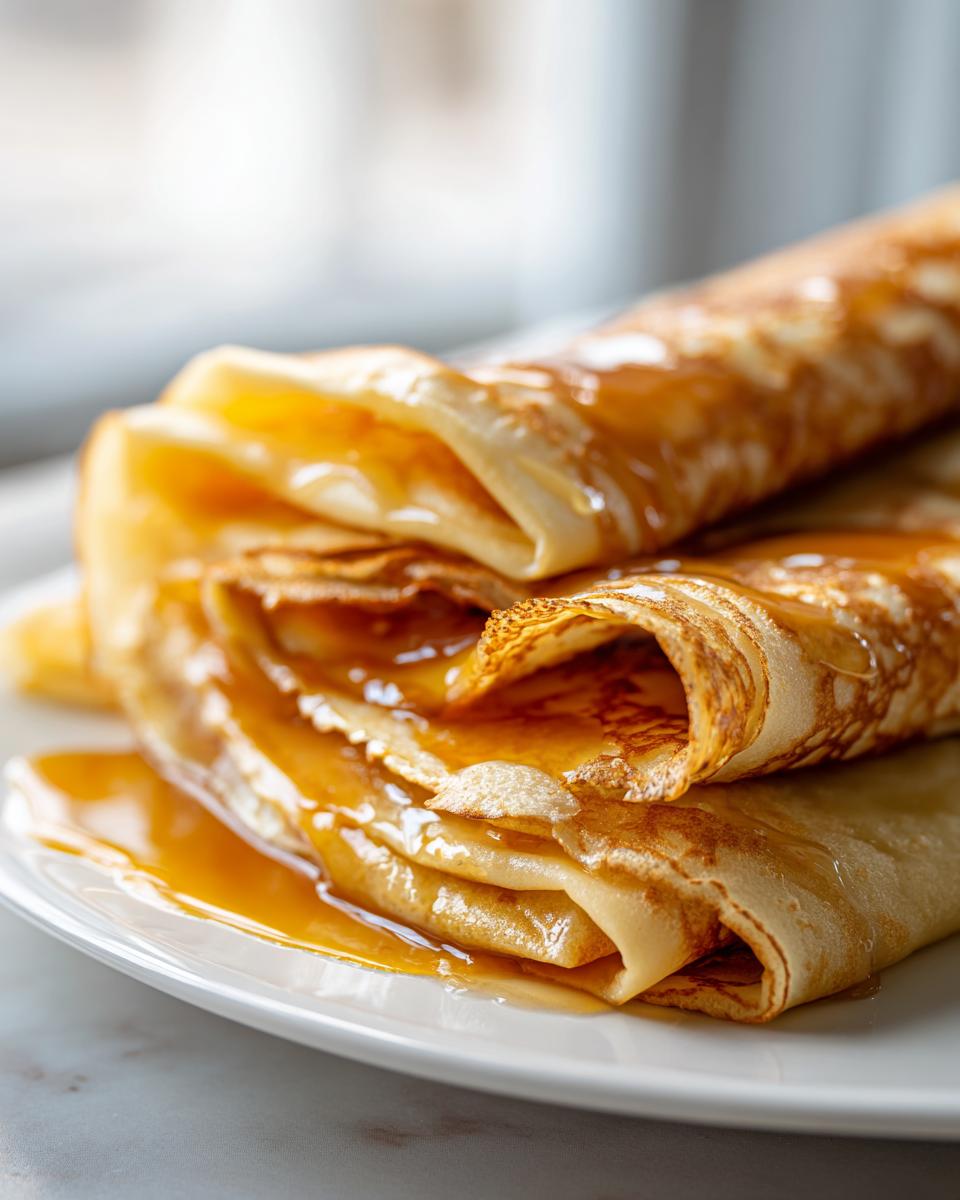
We are aiming for the thinnest, silkiest batter possible for your authentic french crepes. After you whisk the wet and dry ingredients together, don’t just start cooking immediately! That thirty-minute rest time is your secret advantage. It allows the gluten in the flour to relax, which means your crepes won’t be tough or rubbery; they’ll be tender almost like silk handkerchiefs. If you used a blender for mixing—which I highly recommend for zero lumps—just let it sit on the counter while you clean up your mixing station.
Mastering the Flambé Dessert Technique Safely
Now, let’s tackle the part everyone is nervous about: the fire! Don’t let the idea of a flambe dessert scare you off. It’s actually super simple, provided you follow safety rules. First, make sure you’ve folded your crepes and nestled them into that warm orange butter sauce. Then, remove the entire pan from the direct heat source—this is critical!
You’re adding the high-proof alcohol (the liqueur and the brandy) off the flame. Tilt the pan slightly toward the burner for ignition, using a long match or a long-reach lighter. Stand back a little! The flame should be blue and soft, and it will burn off quickly—usually less than a minute. When the flames die down, the alcohol vapor has burned off, and what’s left is pure orange perfection coating your **Crepe Suzette**. It’s a controlled burst of flavor!
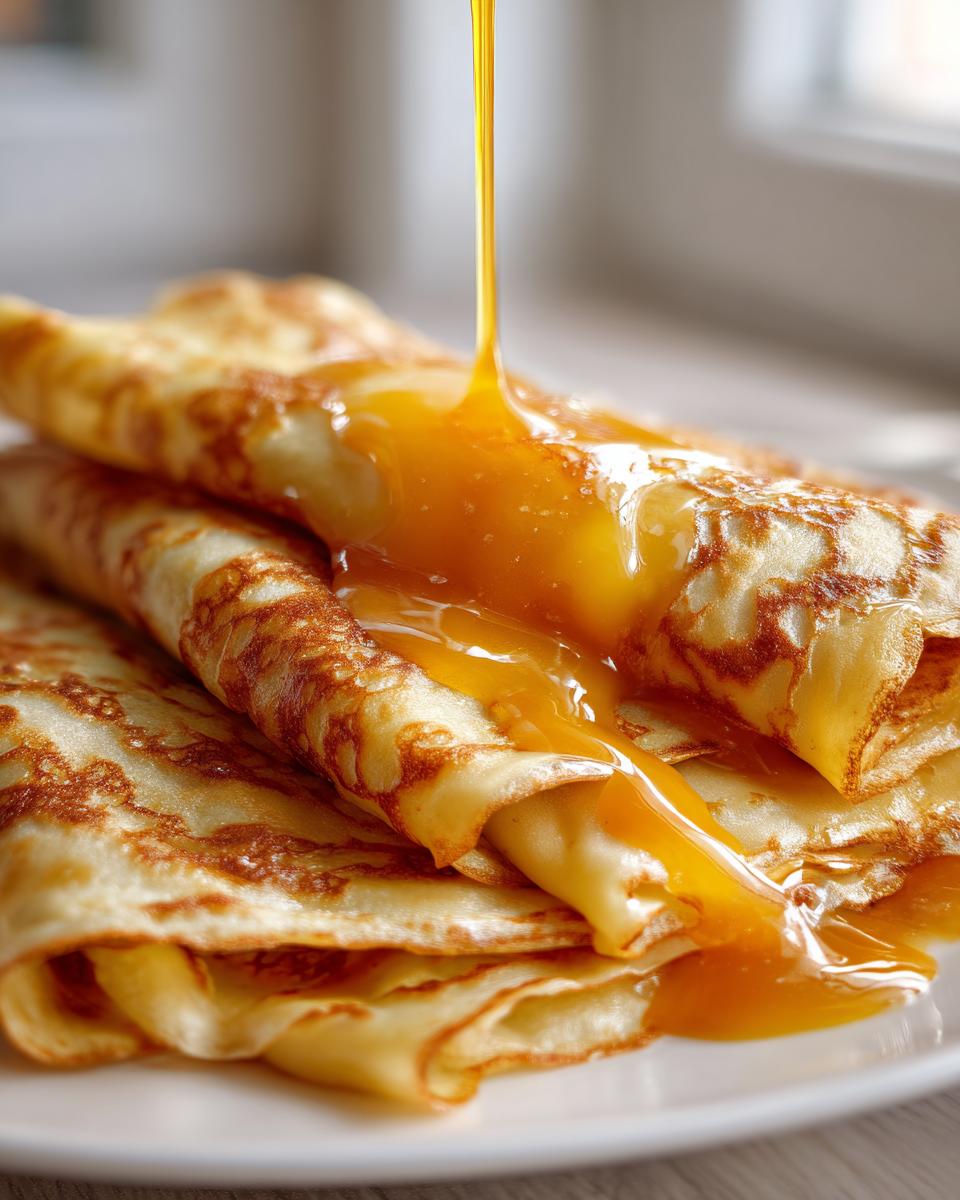
Once the fire is gone, those glorious, sauce-coated crepes are ready to plate. We’ve used the heat from the sauce to gently warm the alcohol, and the little fire just concentrates that amazing orange essence into the final dish. It’s honestly the easiest way to bring vintage French flair right into your weeknight dessert routine.
Tips for Success When Making Classic Crepe Suzette
After helping so many busy professionals figure out how to make show-stopping desserts without wrecking their schedule, I’ve collected a few non-negotiable tips for this recipe. When you’re going for that authentic, melt-in-your-mouth texture of a **classic crepe suzette**, avoiding tiny pitfalls makes a huge difference.
First, let’s talk about the pan temperature when cooking the crepes. If the pan is too hot, the batter sets the second it hits the surface, and you get a lacey, brittle edge instead of that soft perimeter we want. Medium heat only! If you see brown spots forming too quickly, turn the dial down immediately.
Second, don’t be tempted to stir the sauce vigorously after you add the cold butter pieces. We want that sauce to be stable and slightly glossy, not separated. Just gently whisk until the butter melts in; rapid stirring actually destabilizes the emulsion. That’s knowledge from my food science days coming in handy!
Finally, when folding them for the sauce bath, don’t overstuff the pan. Tuck them in gently, maybe three or four layers deep max in a large skillet. We want every folded quarter of the **classic crepe suzette** to kiss that orange butter sauce. If you crowd them, they just end up steaming instead of soaking up that gorgeous flavor!
Serving Suggestions for Your Crepe Suzette
Once you’ve successfully managed that dramatic finish, plating your Crepe Suzette should feel like the victory lap it is! Because the sauce is so rich and buttery, I always like to serve it with something clean to cut through that decadence. A small scoop of high-quality vanilla bean ice cream is a classic pairing, offering a cool, creamy contrast to the warm, bright orange.
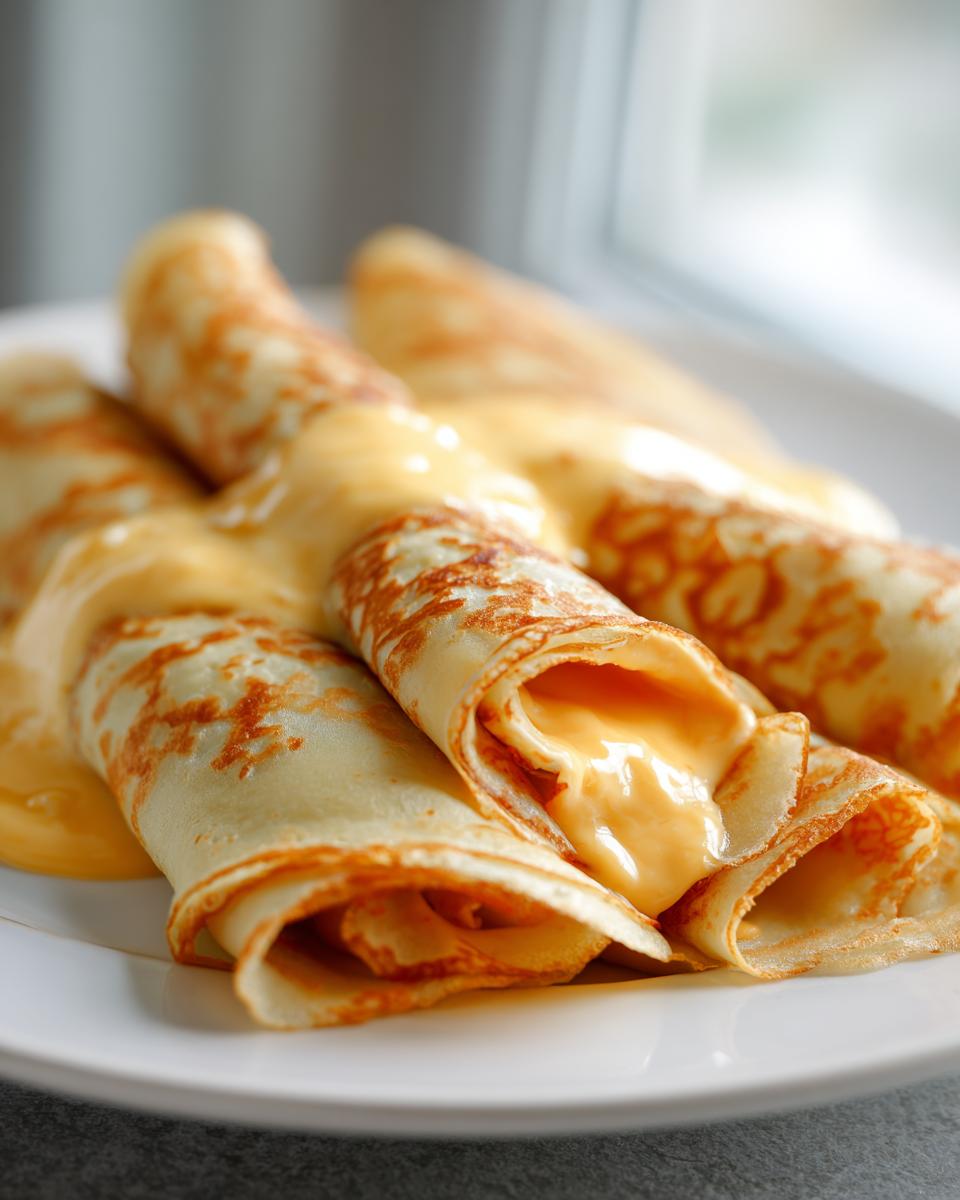
If you want even more texture, a dusting of thinly sliced, toasted almonds or perhaps some finely chopped candied orange peel sprinkled over the top just before serving adds that perfect little crunch. It really elevates the entire presentation for your celebration!
Storage and Reheating Instructions for Crepe Suzette
Even though this dessert begs to be eaten immediately, sometimes life happens! If you have leftovers, I strongly suggest storing the plain crepes separately from the orange butter sauce. Keep both tightly wrapped in the fridge. The sauce tends to start breaking down if it cools slowly while coating the crepes.
To reheat the plain crepes, a quick 30 seconds in the microwave or a very light warming in a dry skillet is all they need. If you are skipping the flambé this time around, gently warm your sauce on the stove and toss the reheated crepes in there. Less mess, less time, maximum flavor preserved!
Frequently Asked Questions About Crepe Suzette
I totally get it; when you’re attempting something as classic as this, you’re going to have questions bubbling up! Don’t worry, these are the same sticky points I encountered when I first moved from just reading about these recipes to actually cooking them. Let’s clear up any last-minute doubts so you can feel totally confident tackling this for **National Crepe Day 2026**!
Is the flambé step necessary for the Crepe Suzette flavor?
That’s the big one, isn’t it? If you skip the lighting part, the dessert is still delicious—you’ll have a wonderful **orange butter sauce recipe** coating your crepes. However, the flambé is crucial because the burning process eliminates the harshness of the alcohol itself while leaving behind these incredibly deep, slightly caramelized, concentrated orange and spirit notes that you simply cannot replicate another way. It’s what moves your dessert from being ‘orange crepes’ to true Crepe Suzette.
Can I make the crepe batter ahead of time?
Yes, and I absolutely suggest you do! This is one of my favorite tricks from Elena’s busy-consultant days. You can mix the batter, cover it tightly, and leave it in the fridge for up to 24 hours. It actually improves the texture of your **authentic french crepes** because of that resting time we talked about. When you’re ready to cook, just give it a quick whisk before pouring; don’t try to cook it ice-cold, though—let it sit on the counter for about 20 minutes first.
What if I don’t have brandy or cognac for the flambé?
If you’re worried about having yet another bottle lingering in the cabinet, you can often just use extra orange liqueur, provided it’s high proof, like Cointreau. Just make sure that the total amount of alcohol you add to the pan is similar to the amounts listed. Honestly, the key to a great flambe dessert is that final alcohol boost, whether it’s pure brandy or a triple sec alternative.
Do you need a special pan for the sauce and flambé?
You don’t need specifically *shaped* pans, but you do need one that is wide and shallow—a nice large non-stick skillet works perfectly. This allows you to gently fold the crepes and turn them easily after they’ve soaked up some of the sauce. Crucially, you need enough space so you aren’t crowded when you remove it from the heat to ignite the flame!
Estimated Nutritional Information for Crepe Suzette
Now, listen, I know this is high on the indulgence scale—we’re talking butter, sugar, and liqueur here! But since Elena comes from a nutrition background, I always feel better knowing roughly what we’re taking in. I put together the estimated breakdown below based on the recipe exactly as written, aiming for that realistic scoop of glamour.
Please remember, this is just an educated guess, a nod to transparency. The *real* numbers change based on what brand of butter you choose or how much liqueur actually burns off in the flambé process! If you’re counting carefully, treat these as a starting guideline for your serving of two crepes.
- Calories: Roughly 350 per serving
- Fat: Around 24 grams (lots of that good butter fat, naturally!)
- Sugar: About 22 grams (mostly from the orange saturation)
- Protein: A nice little boost at 7 grams, thanks to those eggs in the batter.
- Carbohydrates: Approximately 25 grams.
It’s not an everyday dish, that’s for sure, but when you’re celebrating National Crepe Day or just feeling like a Parisian chef for the night, this rich, decadent flavor is worth every single measurement!
Share Your French Pastry Chef Experience
Wow, you did it! You took on the theatrical Crepe Suzette, you mastered the **flambe dessert**, and I bet your kitchen smells absolutely incredible right now. Honestly, seeing your confidence grow in the kitchen is why Elena and I do all this work—we want you to feel that burst of accomplishment when you pull off a dish this elegant.
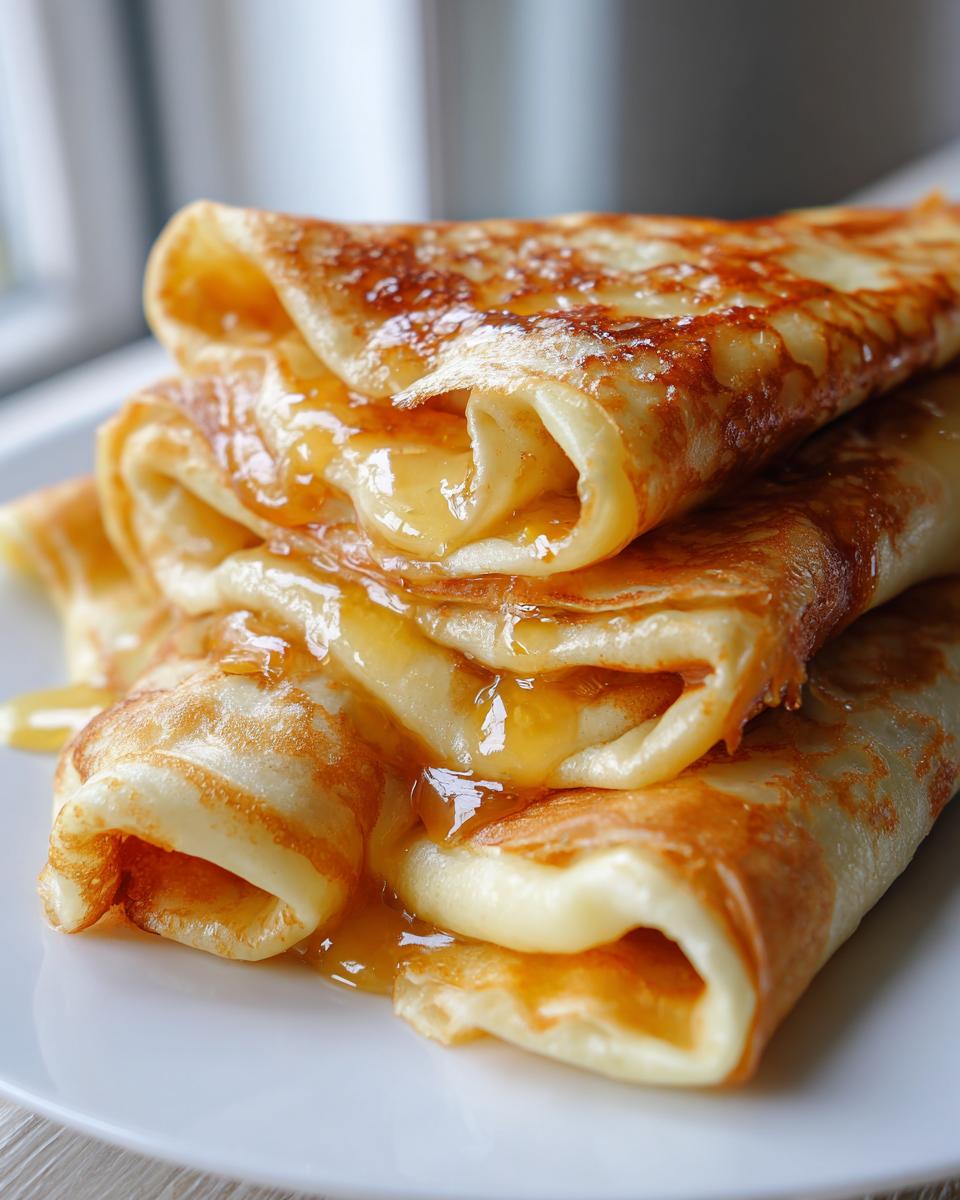
Now that you’ve officially earned your title as a temporary French Pastry Chef, I truly want to see the results! Please take a picture of your beautiful, saucy creations and tag us or send them in! We love seeing how you manage that final dramatic moment with the flame—send us your triumphs!
If you loved how straightforward we made this classic process, leave a rating right below the recipe. And if you have any final tweaks or questions that popped up while you were serving, don’t hesitate to reach out. You can always connect with the One Dish Universe community directly through our contact page. Happy cooking, and congratulations on conquering Crepe Suzette!
PrintClassic Crepe Suzette with Authentic Flambé Orange Butter Sauce

Master the classic French dessert, Crepe Suzette, featuring thin crepes bathed in a rich orange butter sauce and finished with a dramatic flambé technique.
- Prep Time: 20 min
- Cook Time: 25 min
- Total Time: 45 min
- Yield: 6 servings 1x
- Category: Dessert
- Method: Stovetop
- Cuisine: French
- Diet: Vegetarian
Ingredients
- 1 cup all-purpose flour
- 2 large eggs
- 1/2 cup milk
- 1/2 cup water
- 2 tablespoons melted unsalted butter, plus more for cooking
- 1/4 teaspoon salt
- 1/4 cup granulated sugar (for sauce)
- 1/2 cup (1 stick) cold unsalted butter, cut into pieces (for sauce)
- 1/2 cup fresh orange juice
- Zest of 1 large orange
- 1/4 cup orange liqueur (like Grand Marnier or Cointreau)
- 2 tablespoons brandy or cognac (for flambé)
Instructions
- Make the Crepes: Whisk together flour and salt in a bowl. In a separate bowl, whisk eggs, milk, and water. Gradually add the wet ingredients to the dry ingredients, mixing until just combined. Whisk in 2 tablespoons of melted butter. Let the batter rest for at least 30 minutes.
- Cook the Crepes: Heat a 6-inch non-stick skillet over medium heat. Lightly brush the pan with melted butter. Pour about 1/4 cup of batter into the pan, tilting to coat the bottom evenly. Cook for 1-2 minutes until the edges brown, then flip and cook for 30 seconds more. Stack the finished crepes on a plate.
- Prepare the Orange Butter Sauce: In a wide, shallow pan, combine the sugar, orange juice, and orange zest. Heat over medium heat, stirring until the sugar dissolves. Add the cold butter pieces one at a time, whisking constantly until the sauce is smooth and slightly thickened. Do not let it boil rapidly.
- Fold the Crepes: Fold each crepe into quarters (a triangle shape). Gently place the folded crepes into the warm orange butter sauce. Simmer for 2 minutes, turning them once to coat completely.
- Flambé the Dessert: Remove the pan from the heat. Pour the orange liqueur and brandy over the crepes. Carefully ignite the alcohol using a long match or lighter. Let the flames burn out naturally. This step creates the signature flavor of this flambe dessert.
- Serve immediately.
Notes
- For the best crepe texture, use a blender to mix the batter for a smooth consistency.
- If you skip the flambé, the orange butter sauce is still excellent; just warm the liqueur slightly before adding it to the sauce off the heat.
- You can prepare the crepes a day ahead and store them covered in the refrigerator.
Nutrition
- Serving Size: 2 crepes
- Calories: 350
- Sugar: 22
- Sodium: 110
- Fat: 24
- Saturated Fat: 15
- Unsaturated Fat: 9
- Trans Fat: 0
- Carbohydrates: 25
- Fiber: 1
- Protein: 7
- Cholesterol: 105