

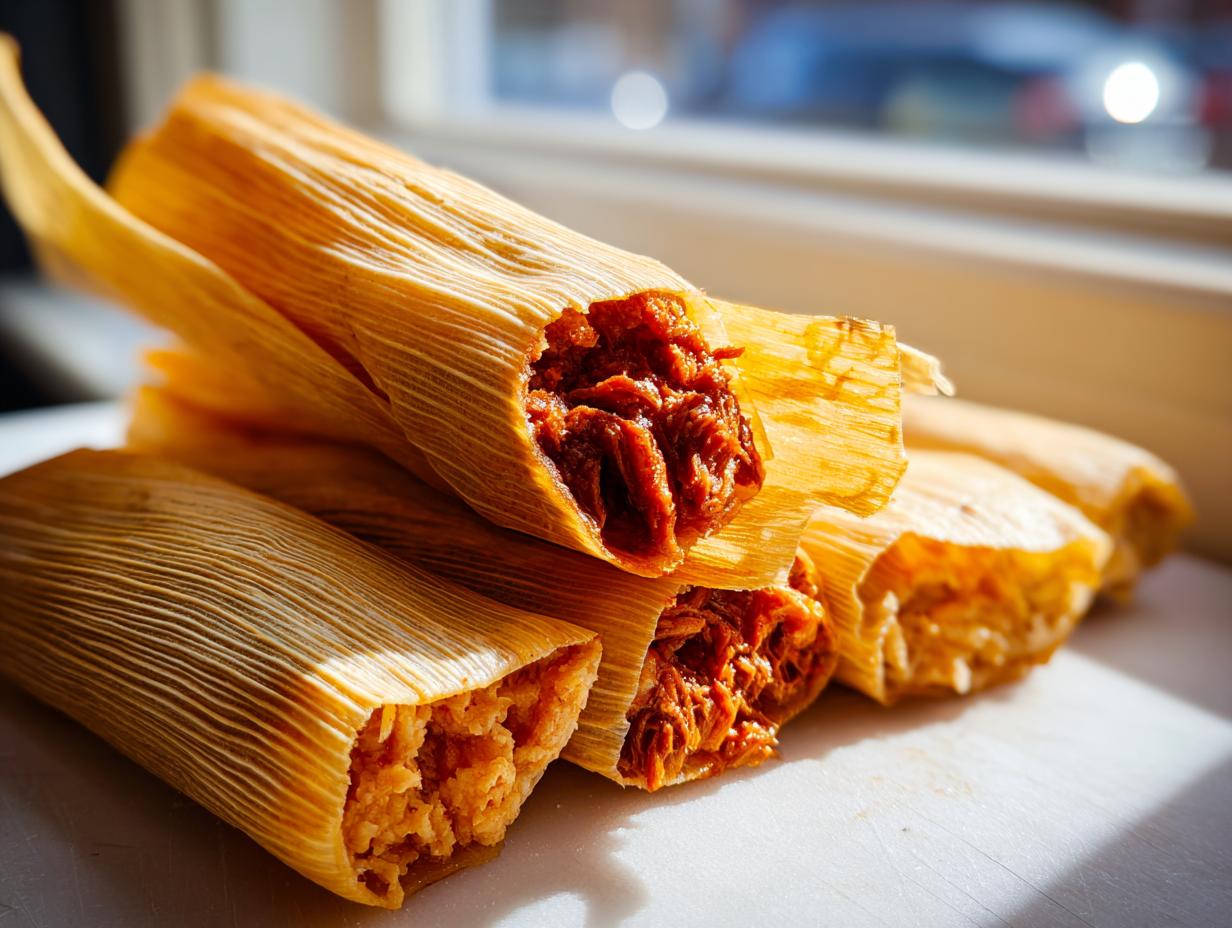
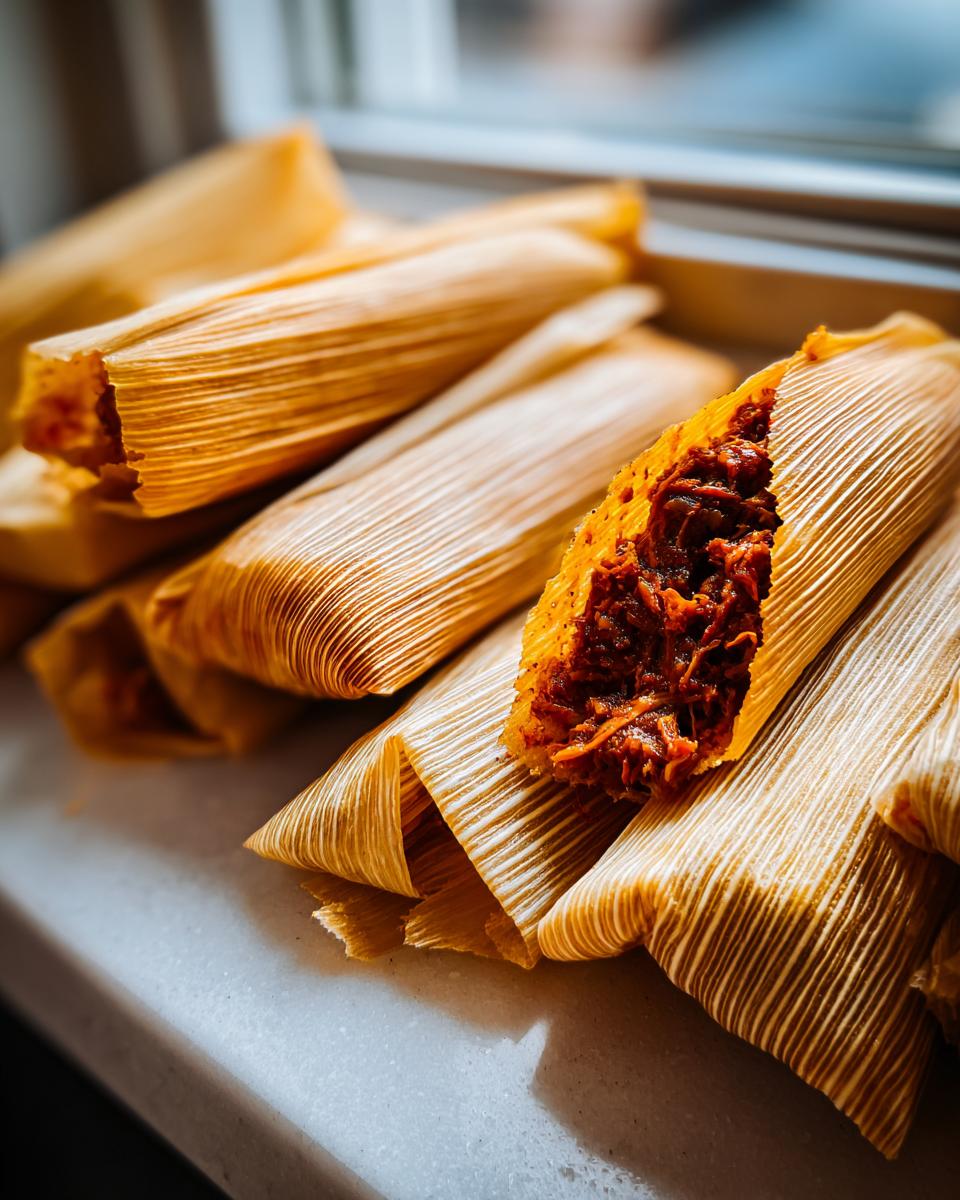
There’s just something magical that happens when you gather your people around a kitchen island, spread out a mountain of corn husks, and start wrapping. Making Tamales isn’t just cooking; it’s an event, and honestly, it’s one of the most rewarding things you can tackle for Cinco de Mayo. My Nona, Elena Valdez’s grandmother, always taught us that the best meals take time and hands, creating something truly special that store-bought just can’t touch. This recipe takes us back to those noisy, wonderful evenings where every family member had a job, resulting in platters piled high with authentic, tender pork filling encased in perfectly steamed masa.
- Why Making Authentic Pork Tamales is a Rewarding Cinco de Mayo Dinner Project
- Essential Ingredients for Authentic Pork Tamales
- Step-by-Step: How to Make Masa and Prepare the Filling for Your Tamales
- Mastering the Masa: The Core of Perfect Tamales
- Assembling and Steaming the Tamales Correctly
- Tips for Success When Making Tamales
- Storage and Reheating Instructions for Leftover Tamales
- Frequently Asked Questions About Making Tamales
- Estimated Nutritional Information for Your Tamales
Why Making Authentic Pork Tamales is a Rewarding Cinco de Mayo Dinner Project
I get it—the world wants us to cook faster, right? But with certain recipes, like these rich, tender pork treats, the process is half the joy. For Cinco de Mayo, ditch the quick fixes and lean into the experience! Making these from scratch is a beautiful, grounding project. It’s about honoring tradition and creating something your family will remember long after the party ends. You get to see the science of great food come alive.
- The slow simmer of the pork fills your whole house with the best smells.
- Assembly is a perfect activity to invite friends or family to help out.
- Trust me, the flavor you get from a homemade chili sauce is unbeatable; it’s worth the effort! See more about our kitchen philosophy right here.
The Joy of the Steamed Tamale Recipes Tradition
When you get your station set up—husks soaking, filling resting, and masa ready—it turns into a production line that’s actually… relaxing? Once you get the rhythm down, spreading the masa and wrapping becomes almost meditative. Then, you stack them up in the steamer, stack after beautiful stack. That final hour of steaming where everything marinates together in the humidity? That’s where the magic happens. It truly feels like you’ve built a feast from raw components, not just mixed ingredients.
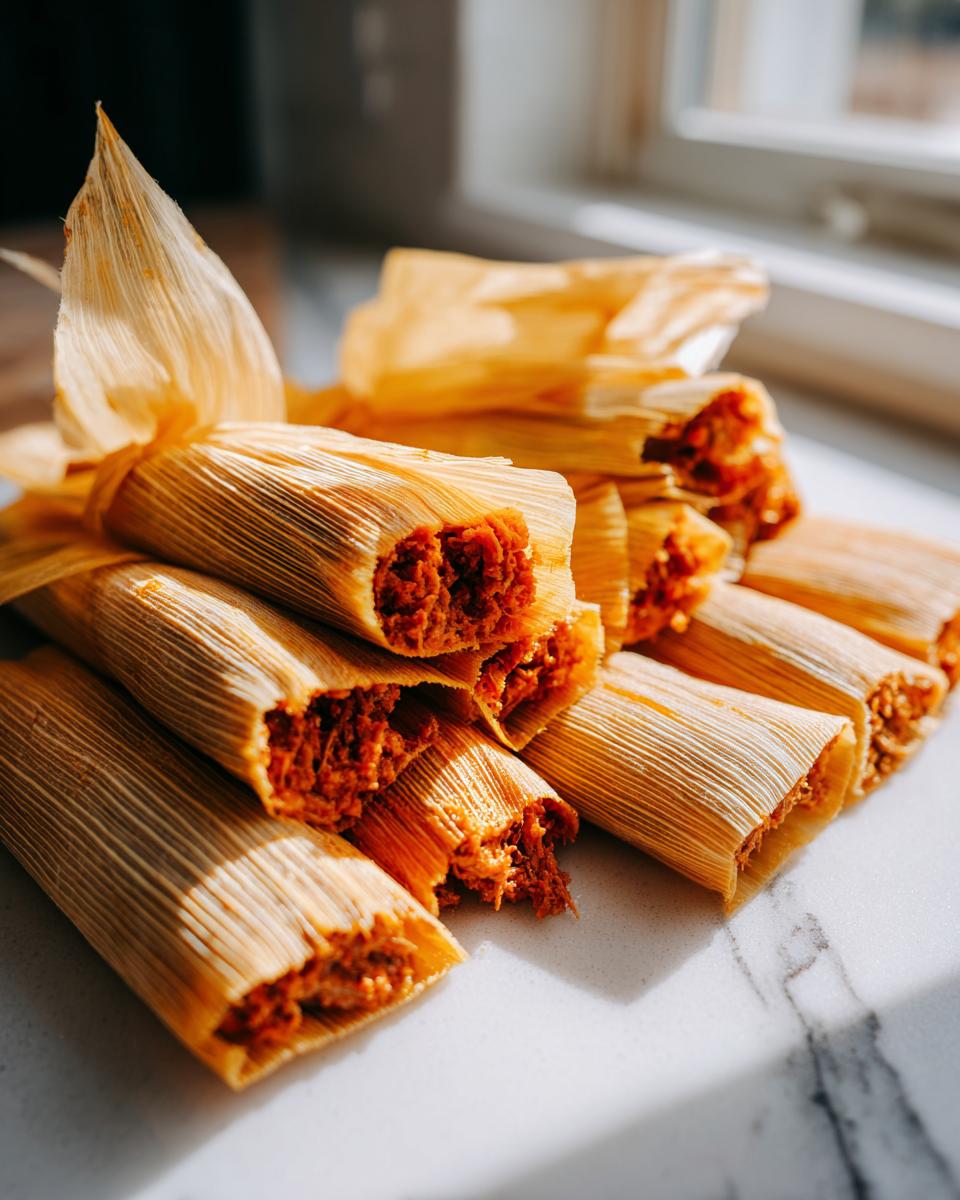
Essential Ingredients for Authentic Pork Tamales
Okay, let’s talk about what you need to gather before you tackle this project. Since we are aiming for that truly authentic pork tamales flavor, we have to pay attention to the quality of the chilies and the star base: the masa. My Nona always said you could substitute almost anything in life, but for tamales, stick to the list!
Don’t rush the preparation here; having everything measured and ready to go makes the assembly phase so much smoother. It cuts down on stress later when everyone is actually waiting to eat!
For the Pork Filling and Chili Sauce
- Two pounds of pork shoulder, cut into decent-sized chunks (this cooks down nice and tender).
- One big white onion and four smashed garlic cloves for the simmer.
- A bay leaf, salt, and pepper you probably already have.
- For that deep red color and complex heat, you need one cup of dried ancho chilies and a half cup of dried guajillo chilies—make sure you remove those stems and seeds!
- We use four cups of hot water, divided, and a splash of apple cider vinegar to brighten up the sauce.
How to Make Masa for Tamales
This is where you nail the texture. For the dough, you’ll need that critical quarter cup of softened lard or vegetable shortening—don’t skimp here, it’s key for fluffiness! We also need baking powder, salt, four cups of proper masa harina for tamales (not just cornmeal, that’s a common mistake!), and between two and three cups of warm pork broth or water to get it right.
Finally, don’t forget about thirty dried corn husks, which you’ll soak until they’re soft and easy to work with.
Step-by-Step: How to Make Masa and Prepare the Filling for Your Tamales
Alright, now that we have our ingredients lined up, we start the actual cooking process. Don’t let this look intimidating; it’s just a couple of slow pots working at the same time. The goal here is to get that pork fall-apart tender and to craft a chili sauce so flavorful you could eat it with a spoon! Remember, we need to save the liquid from cooking the pork because that’s pure gold for both the chili and the masa later on.
Cooking the Pork and Creating the Chili Base
Toss your pork shoulder chunks right into a big pot with the onion, garlic, bay leaf, salt, and pepper. Cover it with about three cups of hot water, bring it up to a boil, and then let it chill out on low heat. It needs to simmer for an hour and a half to two hours until you can shred it with just a fork. Once it’s done, pull the pork out, shred it up, and this is super important: save roughly two cups of that rich cooking broth before you toss the onion and garlic solids. Next, we handle the dried ancho and guajillo chilies. Pour one cup of hot water over them and let them soak for about twenty minutes until they’re nice and soft for blending.
Finishing the Filling for Authentic Pork Tamales
Now, we blend! Transfer those softened chilies, their soaking liquid, the cider vinegar, and one cup of that reserved pork broth into your blender. Blend it until it’s velvety smooth—no chunks allowed! To make sure we get that super silky texture for the final filling, you absolutely must strain this chili mixture through a fine-mesh sieve into a saucepan. Press down on those solids to extract every bit of flavor. Simmer that smooth sauce in the pan for about ten minutes until it thickens just a tiny bit. Finally, stir in your shredded pork. Give it a taste test for saltiness, and then set this beautiful, deep red filling aside. Wow, the smell alone is worth the effort!
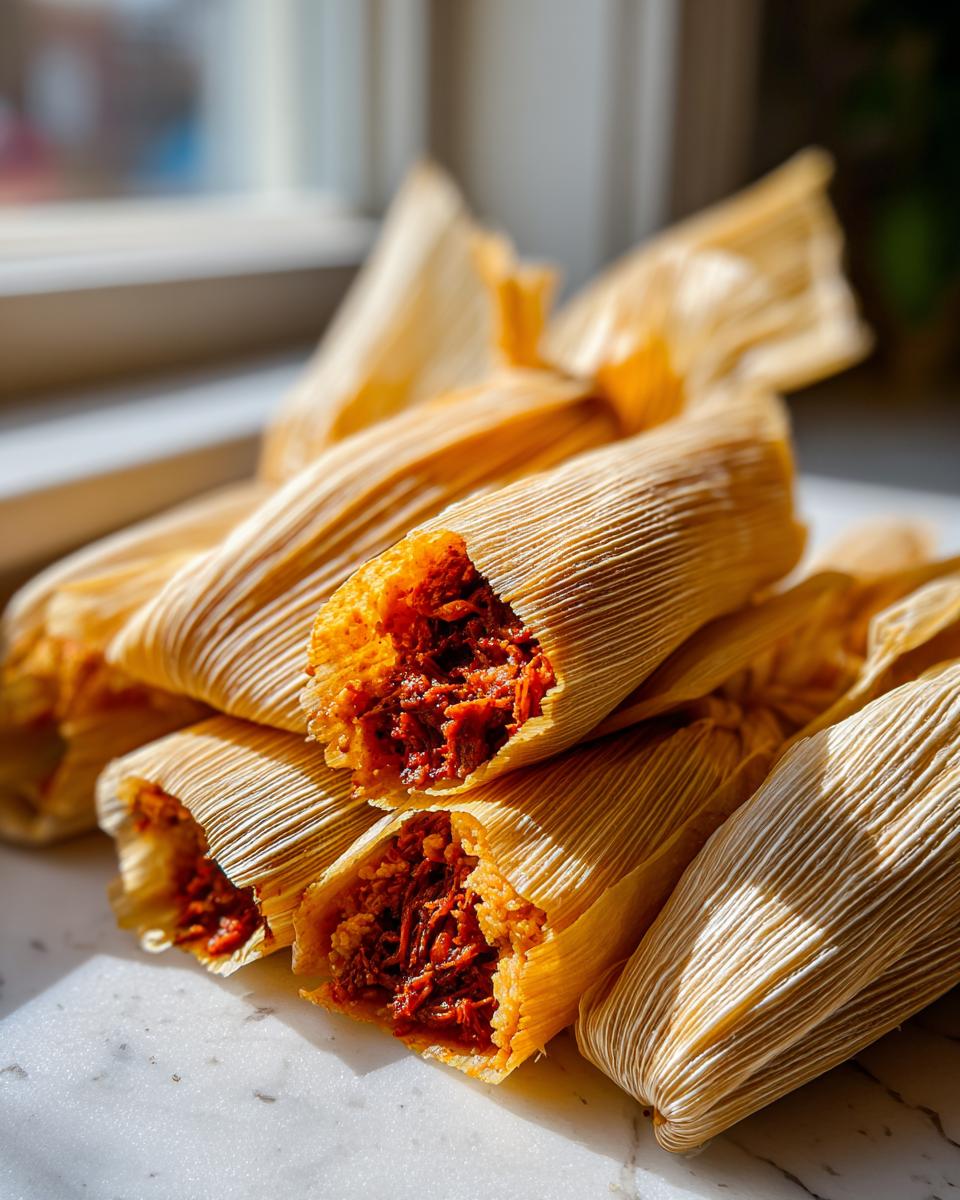
Mastering the Masa: The Core of Perfect Tamales
Now we get to the part that separates the good from the truly spectacular: the masa. Learning how to make masa correctly is the difference between a dry, crumbly bite and something that melts beautifully in your mouth. This dough needs air! If you skip the aeration step, you end up with something heavy, and we want light, fluffy clouds wrapped around that rich filling. My Nona insisted you had to treat the fat right before adding anything else. Trust me on this part—it pays off huge!
Beating the Fat for Light Tamales Masa
Start with your softened lard or vegetable shortening in a big bowl. You are going to beat that fat like you mean it until it gets noticeably light and fluffy. I usually use my electric mixer for this part, running it for a good three minutes until it looks paler. Then, whisk in your baking powder and salt. Next, you’ll add the masa harina gradually, alternating with your warm pork broth or water. You’re looking for a thick, soft dough—it shouldn’t be runny at all, but easily spreadable against the husk.
Testing Your Masa Readiness
How do you know when you’ve beaten enough air in? Before you start spreading, do the float test. Drop a tiny little piece of your masa mixture into a glass of cold water. If that little bit floats right to the top, congratulations! Your masa is perfectly aerated and ready to wrap. If it sinks, mix in just a touch more liquid or beat it a little longer until it passes the test. That float is your signal that you’ve properly incorporated the air needed for steamed perfection.
Assembling and Steaming the Tamales Correctly
This is the moment the whole project comes together! You’ve got your perfectly seasoned filling and that beautiful, airy masa. Now we turn them into gorgeous little packages. Don’t let this step intimidate you; it’s just folding, and soon you’ll be doing it like a pro, almost without looking. We want to treat these gently, especially after all the work we put into the filling and the dough.
Spreading Masa and Filling the Husks
Take one of your softened corn husks and make sure the smooth side is facing up. Spread about two tablespoons of masa right onto the wider end of that husk. Make sure you leave about an inch border clear around the edges—that gives us room to seal it up! Scoop just one or two teaspoons of that delicious pork filling right down the center. Then, you fold the long sides of the husk inward over the filling until they meet, and take that narrow, pointy end and fold it up toward the center. That’s it! You just made one. Repeat this until you run out of ingredients!
The Steaming Process for Fluffy Tamales
Time to fire up the steamer! Set up your pot with the basket, and line that basket with a few extra corn husks—this keeps the first layer from searing. Arrange the finished tamales standing straight up, like little soldiers, packing them snugly, but don’t smash them tight, or the masa won’t expand properly. Cover them over with a final layer of damp husks, put the lid on tight, and steam for a solid hour over medium-low heat. Keep an eye on the water level underneath so it doesn’t boil dry; just add more boiling water whenever you check.
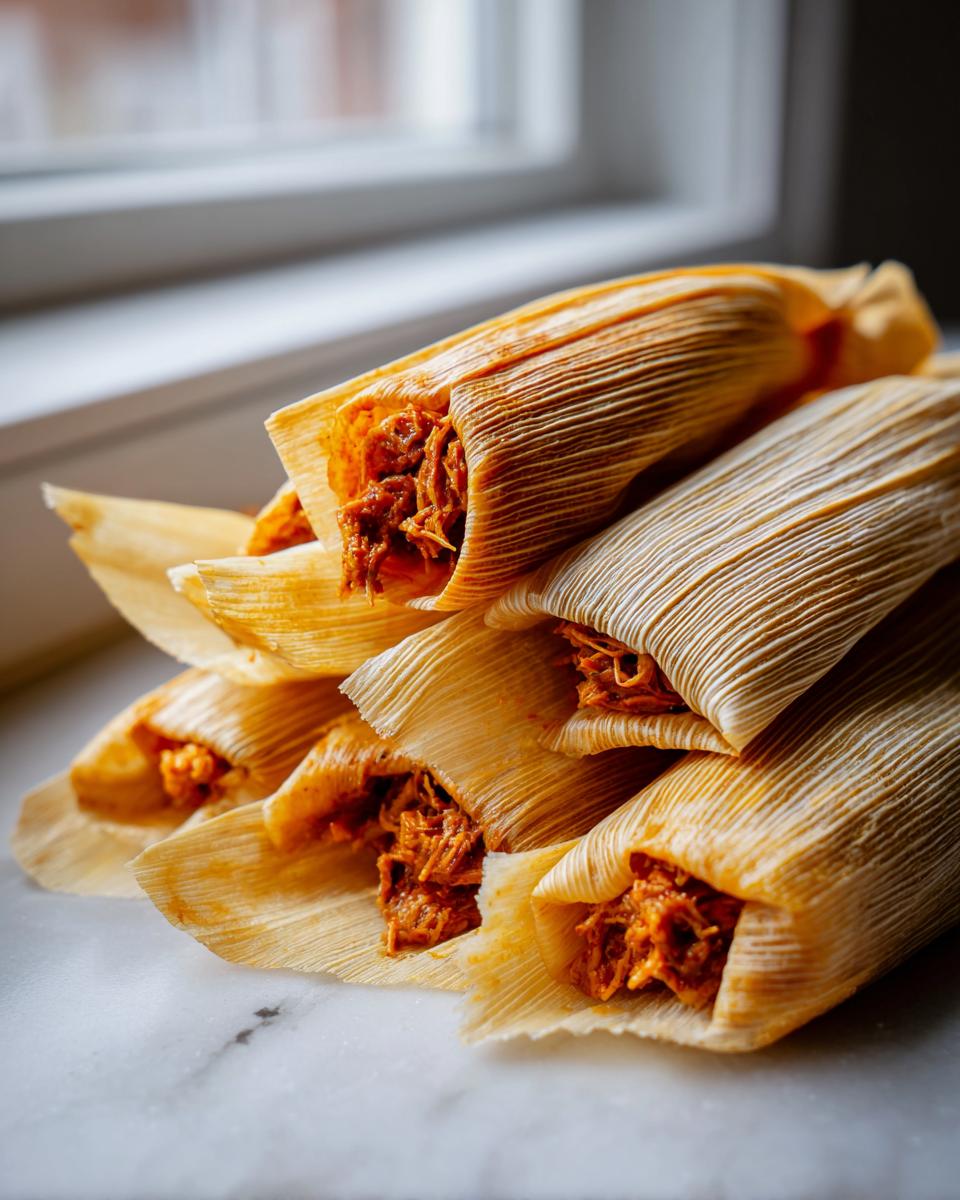
Tips for Success When Making Tamales
Even with a great recipe, sometimes the little things trip you up, especially when you’re deep into a big project like this! I’ve learned a few tricks over the years of making these batches for parties that just make the assembly phase quicker and cleaner. Nothing is worse than having a perfectly mixed masa only to watch it crack the second you try to fold the husk!
Handling Wet Corn Husks
The soaking step we mentioned earlier is non-negotiable! Those dried corn husks need a good hour in hot water, or they will just snap when you bend them, ruining your beautifully spread masa. But here’s the key: after they’re soaked, you must drain them well and pat them dry with a kitchen towel before you start assembling. If the husks are too wet, they bleed water into the masa, making it gummy instead of fluffy. Pliable, but dry to the touch—that’s the perfect husk!
Storage and Reheating Instructions for Leftover Tamales
If you’re making a huge batch (and you totally should be, because this is a great project!), you’re going to have leftovers. Don’t panic about saving them; these steamed treasures reheat beautifully if you treat them right. You want to avoid turning that fluffy masa back into concrete, so moisture management is everything here.
For the fridge, just make sure they are completely cooled down first. You can store them in an airtight container, and they should last perfectly fine for about four or five days. I usually separate them just enough so they aren’t packed too tightly together.
If you want to freeze them for later—maybe for a future Cinco de Mayo dinner idea—wrap each individual tamale tightly in plastic wrap first, maybe even foil, and then put the whole bundle into a heavy-duty freezer bag. They keep great for up to three months!
When it’s time to eat them, try to reheat them the same way you cooked them: steam them! Pop them back into the steamer for about 10 to 15 minutes. If you’re in a huge hurry, you can microwave them, but you MUST place a damp paper towel over them before heating. That trapped steam keeps the masa from drying out in the microwave and keeps that texture just how it should be.
Frequently Asked Questions About Making Tamales
I know tackling a big recipe like this brings up a ton of questions, and that’s totally normal! Honestly, the best part of this entire process is making sure you feel confident when you’re assembling them. If you’re still feeling unsure about a step, or if you just want to tweak things for next time, here are a few things I hear most often. If you have even more burning questions after checking these out, please feel free to reach out to us through the contact page!
Can I use vegetable shortening instead of lard in the masa?
Yes, absolutely! If you prefer not to use lard—or just didn’t have any on hand—vegetable shortening works just fine. That quarter cup of fat is there to create air pockets for the fluffiest texture. Just make sure whatever you use is softened to room temperature before you start beating it. It beats up beautifully either way!
What makes these authentic pork tamales different from store-bought versions?
Wow, where do I even begin? The biggest difference is the sauce. Store-bought ones often use powdered chili mix or very simple seasonings. Here, we’re soaking dried anchos and guajillos, blending them, and simmering them down. That depth of flavor in our chili sauce, combined with the light, fresh texture of homemade masa, is what makes these truly authentic pork tamales. You just can’t replicate that fresh-ground chili flavor on a production line!
What are some good Cinco de Mayo dinner ideas besides tamales?
If you have leftovers or want an easy pairing for the next day, I always suggest something bright and fresh to cut through the richness of the pork. Excellent Cinco de Mayo dinner ideas that go perfectly on the side include a vibrant lime-cilantro rice or a simple, crisp black bean salad. They don’t require much active cooking time, which is perfect after a big cooking project!
Estimated Nutritional Information for Your Tamales
Look, I’m always focused on getting amazing flavor onto your plate with less fuss, but I know that knowing what you’re eating matters too! Since this recipe is a labor of love built from scratch—using real pork shoulder, dried chilies, and that wonderful masa dough—the nutrition facts are going to look pretty realistic for a hearty meal. Remember, this breakdown is just an estimate for one tamale, assuming you get about thirty out of the batch.
Because we’re using pork shoulder and a good amount of fat (lard is key for texture, after all!), the fat content is what it is, but it’s packed with flavor! It’s much better than anything heavy and artificial you’d find pre-made, trust me on that one.
- Serving Size: 1 tamale
- Calories: 280
- Fat: 14g
- Carbohydrates: 28g
- Protein: 12g
This is an estimate based on the listed ingredients and serving size. If you decide to swap the lard for a purely vegetable shortening, those numbers will shift slightly, but the wonderful experience of eating a handmade, perfectly steamed creation won’t change one bit!
PrintAuthentic Pork Tamales: A Traditional Steaming Project
Make traditional pork tamales from scratch, focusing on preparing the masa and steaming them correctly in corn husks for an authentic Cinco de Mayo dinner.
- Prep Time: 1 hour 30 min
- Cook Time: 2 hours 30 min
- Total Time: 4 hours 0 min
- Yield: About 30 tamales 1x
- Category: Dinner
- Method: Steaming
- Cuisine: Mexican
- Diet: Low Fat
Ingredients
- 2 pounds pork shoulder, cut into 2-inch chunks
- 1 large white onion, quartered
- 4 cloves garlic, smashed
- 1 bay leaf
- 1 teaspoon salt
- 1/2 teaspoon black pepper
- 1 cup dried ancho chilies, stems and seeds removed
- 1/2 cup dried guajillo chilies, stems and seeds removed
- 4 cups hot water, divided
- 1 tablespoon apple cider vinegar
- 1/4 cup lard or vegetable shortening, softened, plus more for greasing
- 1 teaspoon baking powder
- 1 teaspoon salt
- 4 cups masa harina for tamales
- 2 to 3 cups warm pork broth or water
- 30 dried corn husks, soaked in hot water for 1 hour, drained and patted dry
Instructions
- Cook the Pork: Place pork chunks, onion, garlic, bay leaf, salt, and pepper in a large pot. Cover with 3 cups of hot water. Bring to a boil, then reduce heat, cover, and simmer until the pork is very tender, about 1.5 to 2 hours. Remove pork, shred it, and reserve 2 cups of the cooking broth. Discard solids.
- Prepare the Chili Sauce: Place ancho and guajillo chilies in a bowl. Pour 1 cup of hot water over them and let them soak for 20 minutes until soft. Transfer chilies and soaking liquid to a blender with the apple cider vinegar and 1 cup of the reserved pork broth. Blend until completely smooth. Strain the sauce through a fine-mesh sieve into a saucepan, pressing solids.
- Simmer the Filling: Heat 1 tablespoon of lard in a skillet over medium heat. Add the strained chili sauce and simmer for 10 minutes, stirring often, until the sauce thickens slightly. Stir in the shredded pork. Taste and add salt if needed. Set aside.
- Make the Masa: In a large bowl, beat the 1/4 cup lard or shortening with an electric mixer until light and fluffy, about 3 minutes. Mix in the baking powder and 1 teaspoon salt. Gradually add the masa harina, alternating with the warm pork broth/water, mixing until just combined. The mixture should resemble thick, soft dough. Test the masa by dropping a small piece into a glass of cold water; if it floats, it is ready.
- Assemble the Tamales: Take one softened corn husk, smooth side up. Spread about 2 tablespoons of masa evenly over the wider end of the husk, leaving a 1-inch border on the sides and top. Place 1 to 2 teaspoons of the pork filling down the center of the masa. Fold the long sides of the husk over the filling, then fold the narrow, pointed end up.
- Steam the Tamales: Set up a steamer pot with a steamer basket. Line the basket with extra corn husks. Arrange the tamales vertically, open end up, packing them snugly but not too tightly. Cover the tamales with a layer of damp corn husks, then cover the pot with a tight-fitting lid. Steam over medium-low heat for 1 hour. Check periodically to add more boiling water to the bottom of the steamer if needed.
- Check for Doneness: A tamale is done when the masa easily pulls away from the husk. Let them rest for 10 minutes before serving.
Notes
- Soaking the corn husks is crucial; they must be pliable to prevent cracking when you fold the tamales.
- If you want a richer flavor, use the reserved pork broth to moisten the masa instead of plain water.
- This recipe is a great Mexican street food project to share with family.
Nutrition
- Serving Size: 1 tamale
- Calories: 280
- Sugar: 2
- Sodium: 350
- Fat: 14
- Saturated Fat: 5
- Unsaturated Fat: 9
- Trans Fat: 0
- Carbohydrates: 28
- Fiber: 3
- Protein: 12
- Cholesterol: 45