

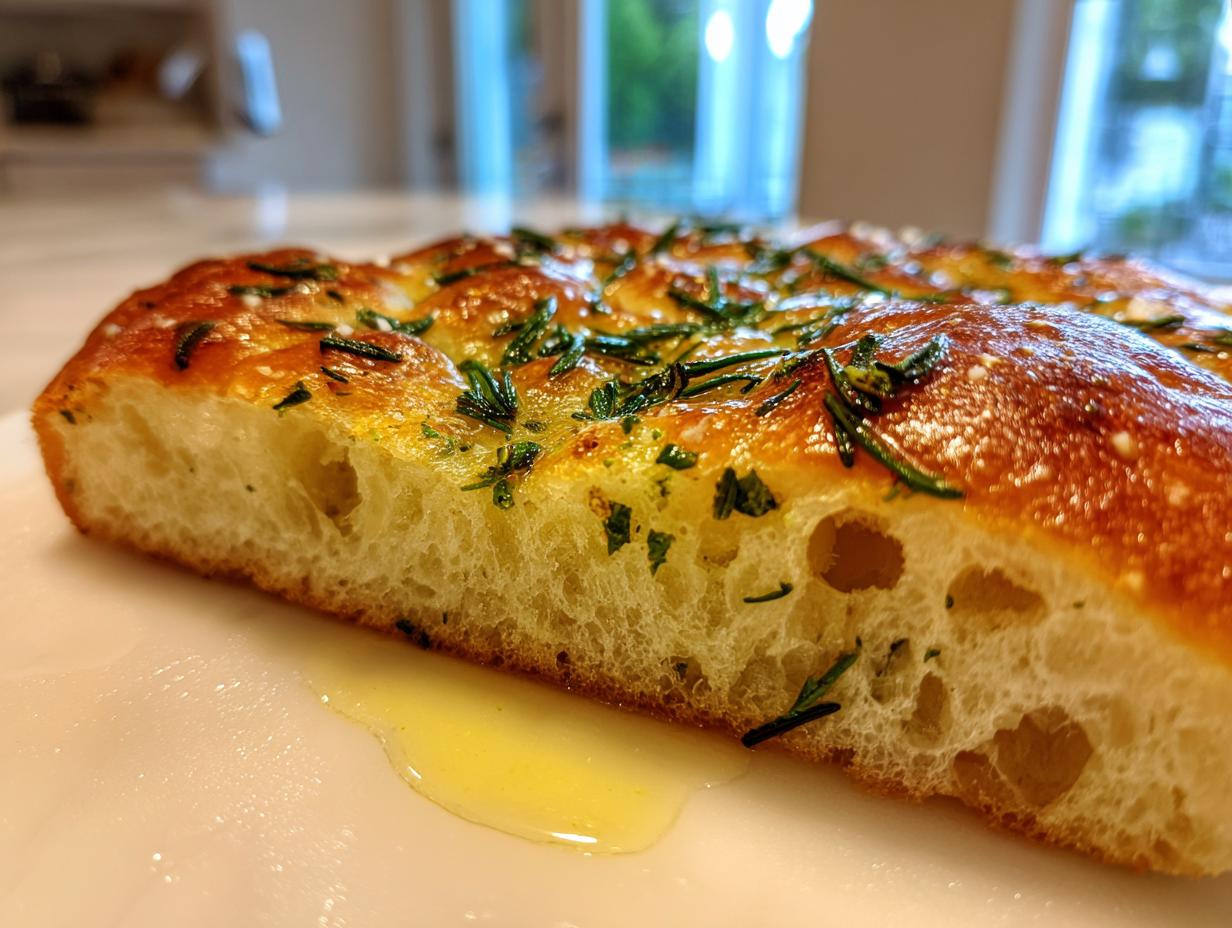
If you’re like me, sometimes the only thing that settles the noise of the world is getting your hands into something tangible, something that smells incredible. That’s why this rosemary focaccia bread—a truly wonderful piece of Italian baking at home—is my go-to when I need a little grounding. This isn’t your tricky sourdough; this is a high-hydration, utterly satisfying, no knead focaccia bread that forms those fantastic, deep oil pockets. It’s where my Nona’s old-world wisdom meets my Food Science background: pure comfort, made simple. Trust me, this tactile baking project is exactly what you need.
- Why This Rosemary Focaccia Bread is Your New Favorite Italian Baking at Home Project
- Gathering Your Pantry Staples for Rosemary Focaccia
- Step-by-Step Instructions for Easy Focaccia Recipe
- Tips for Success When Making Rosemary Focaccia
- Creative Variations and Bread Art
- Serving Suggestions for Your Fresh Rosemary Recipes
- Storage and Reheating Instructions
- Frequently Asked Questions About This Rosemary Focaccia
- Understanding the Nutrition of Rosemary Focaccia Bread
- Share Your Baking Journey
Why This Rosemary Focaccia Bread is Your New Favorite Italian Baking at Home Project
Honestly, baking should feel good, right? It shouldn’t add stress, especially when you have a big roast waiting for company. This rosemary focaccia bread is the perfect marriage of ease and elegance. It gives you that incredible feeling of accomplishment without demanding all your attention. You get all the flavor payoff of artisanal bread with almost zero effort. It’s grounded optimism you can eat!
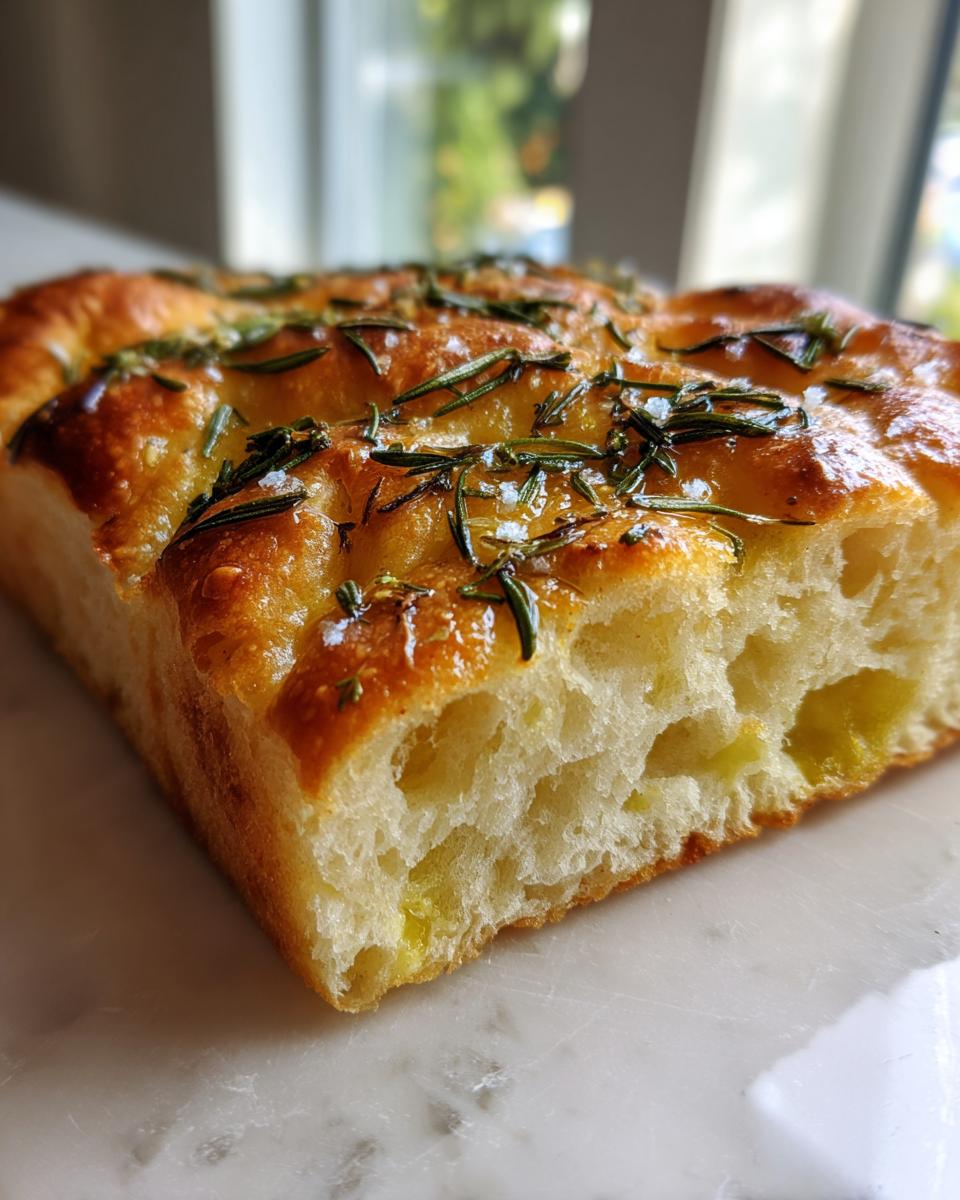
- Achieving Perfect Dimples and High Hydration: We are using a high-hydration dough here, which sounds fancy but just means it has a lot of water. That water is what creates that beautifully light, airy crumb inside. The higher the hydration, the better those puddles form when you press down. Those deep dimples you want? They soak up the olive oil and seasoning like little sponges. It’s pure magic.
- The Appeal of No Knead Focaccia Bread: This is pure Nona wisdom translated into modern convenience. Seriously, you just mix it up and walk away! Because the dough rests for so long, the flour naturally hydrates itself, sorting out the gluten structure for you. It’s the ultimate low-effort, high-reward Italian baking at home experience.
Achieving Perfect Dimples and High Hydration
When I say high hydration, I mean this dough is going to look messy—more like thick pancake batter than traditional bread dough. Don’t panic! That wetness is everything. It guarantees a bread that is soft and cloud-like on the inside. The trick, which we cover later, is making sure you press those dimples all the way down to the bottom of the oiled pan. That’s how you anchor the oil and get those iconic, crisp edges.
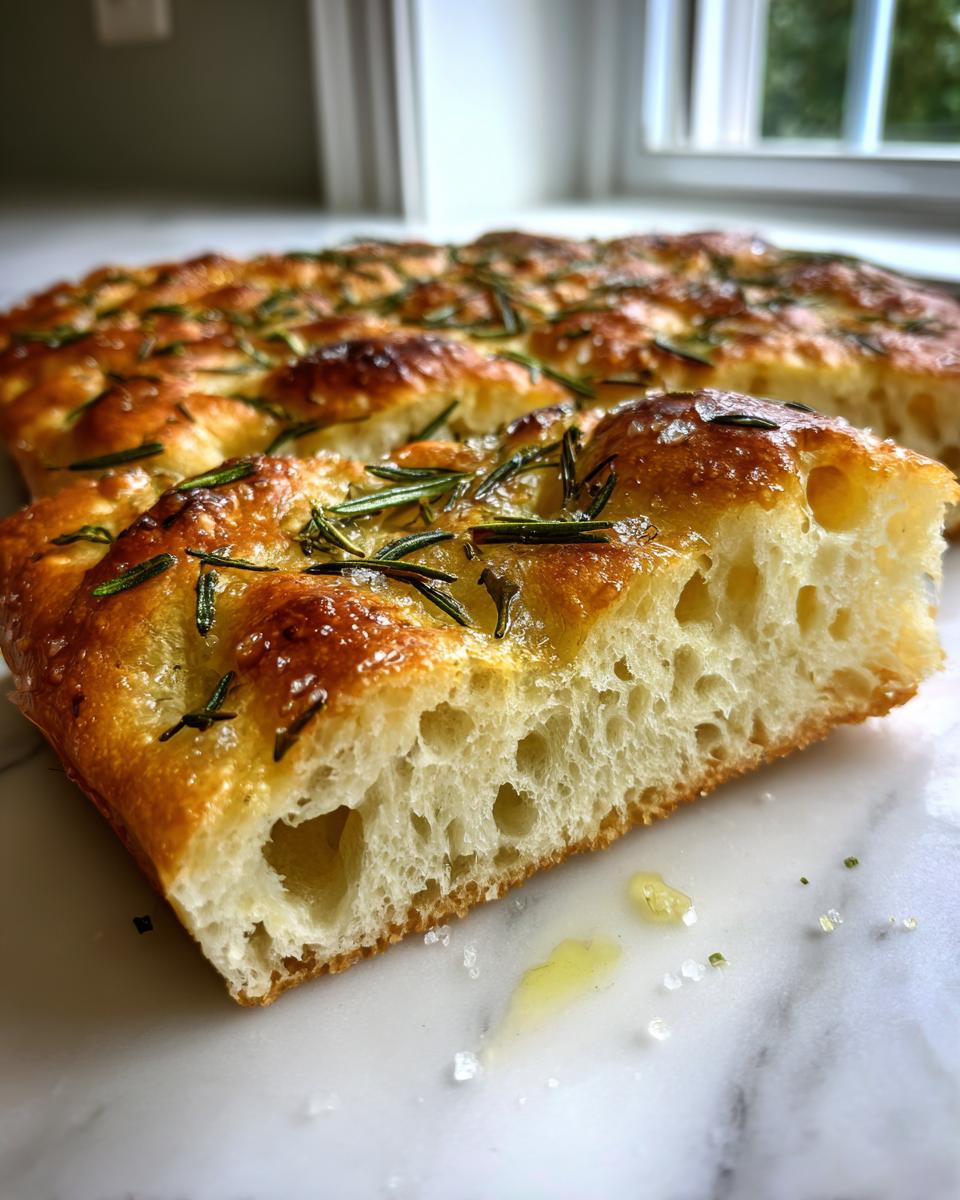
The Appeal of No Knead Focaccia Bread
I’ve spent years consulting for busy folks, and I understand that nobody has time for hours of kneading after a long day. That’s why I swear by this no knead focaccia bread method. You mix it for five minutes, cover it, and let time do all the hard work. It’s the most hands-off way to get incredibly aromatic bread ready for dipping into sauce or serving alongside your main dish.
Gathering Your Pantry Staples for Rosemary Focaccia
The best part about this bread? It relies on things you probably already have tucked away! My philosophy is always flavor over fuss, and thankfully, great rosemary focaccia bread doesn’t demand exotic ingredients. We just need a few honest items—flour, yeast, water, and good olive oil—to start this beautiful Italian baking at home project.
Ingredient Clarity and Preparation
Here are the essentials. Remember, for this recipe, clarity in small steps makes a huge difference in the final, perfect loaf.
- 3 cups bread flour
- 1 teaspoon instant dry yeast
- 1 1/2 teaspoons fine sea salt
- 1 1/2 cups warm water (ensure temperature is about 105°F or lukewarm to the touch)
- 1/4 cup extra virgin olive oil, plus more for drizzling
- 2 tablespoons fresh rosemary leaves, roughly chopped
- Flaky sea salt, for topping
Step-by-Step Instructions for Easy Focaccia Recipe
Alright, now we get to the tactile part—this is where the relaxation really kicks in! We’re moving from a bowl into the pan to build structure for our gorgeous rosemary focaccia bread. Just follow these steps, and don’t worry if it looks a little weird along the way; that’s normal for a high-hydration dough!
Mixing the Wet and Dry Ingredients
First things first, grab your large bowl. Whisk together all your dry stuff: the flour, yeast, and salt. Keep them separate for now. Now, pour in the warm water and that initial 1/4 cup of olive oil. You’re going to mix this with a wooden spoon or just a sturdy spatula until everything is *just* combined. I mean it—do not overmix! When you stop, it should look like a very wet, messy shag carpet. That’s success! Cover that bowl tightly with plastic wrap and just leave it alone for a good two hours. It needs to double in size and get beautifully bubbly.
Developing Structure with Gentle Stretching
Once it’s puffed up, it’s time to oil up that 9×13 pan really well. Gently scrape all that bubbly dough out onto the oiled surface. Turn it over once so both sides get a nice slick coating of oil. Cover it loosely and let it chill out for just 30 more minutes. Now that the oven is screaming hot at 425°F, gently stretch the dough with your oiled fingers to push it toward those corners. If it fights you and snaps back, just let it rest for another 15 minutes and try again. Patience is the key to structure here!
Creating the Signature Dimples and Topping
This is my favorite part! Grab more olive oil and dip your fingertips in it. Now, press down firmly through the dough—really push until you feel the bottom of the pan beneath your fingers. Make sure those deep dimples cover the entire surface! Drizzle generously with even more olive oil until you see little pools forming in those indentations. Scatter your chopped fresh rosemary and that flaky sea salt all over the top. Bake it for about 20 to 25 minutes until it is golden and smells absolutely intoxicating. Transfer it right away to a wire rack, or it will steam itself soggy underneath!
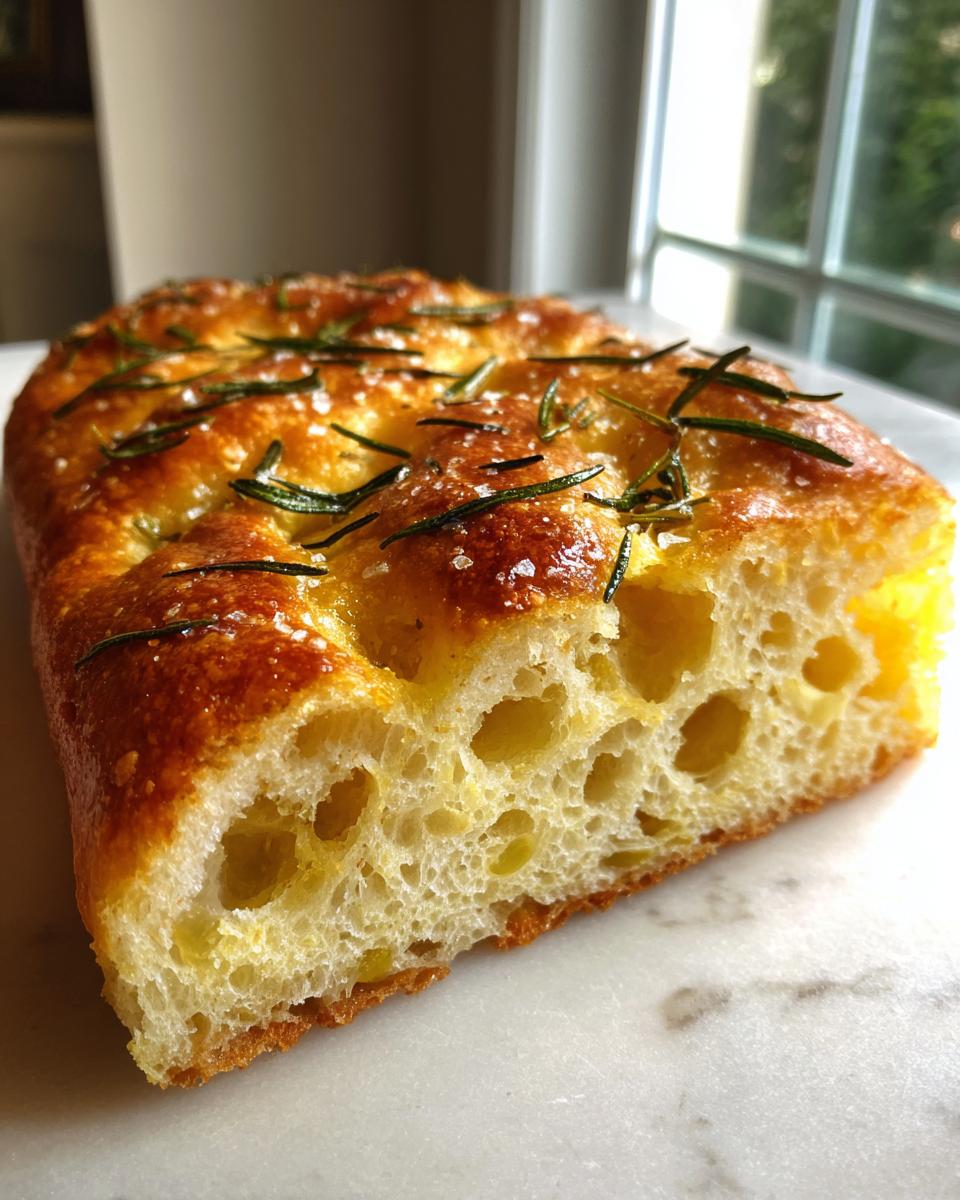
Tips for Success When Making Rosemary Focaccia
Even though this rosemary focaccia bread is technically no knead, it still has a few spots where you can really level up the results. My Nona always said that the difference between good bread and amazing bread is just paying attention to the details. High-hydration doughs like this one are sensitive, but once you know the tricks, they are so reliable!
Flour Choice and Water Temperature
I can’t stress this enough: please use bread flour if you can find it! The higher protein content is what helps this wet dough build enough internal scaffolding to hold those air bubbles and that incredible height. If you use all-purpose, it’s just not going to have the chew we are looking for. Also, when you’re warming your water, use a thermometer if you have one. If the water gets above 115°F, you can actually start killing your yeast. We want that yeast happy and bubbly, so aim right around 105°F—that’s just warm, not hot.
Infusing Oil for Deeper Flavor
If you’re feeling extra fancy, try this trick to really wake up those fresh rosemary recipes. Take that ¼ cup of olive oil you need for mixing and toss two or three actual sprigs of rosemary into it. Let it sit on the counter while your dough is proofing the first time. The oil will absorb all that lovely herbaceous scent. Then, just strain out the sprigs before you measure the oil for the recipe! It makes the rosemary flavor bloom beautifully in the final bread.
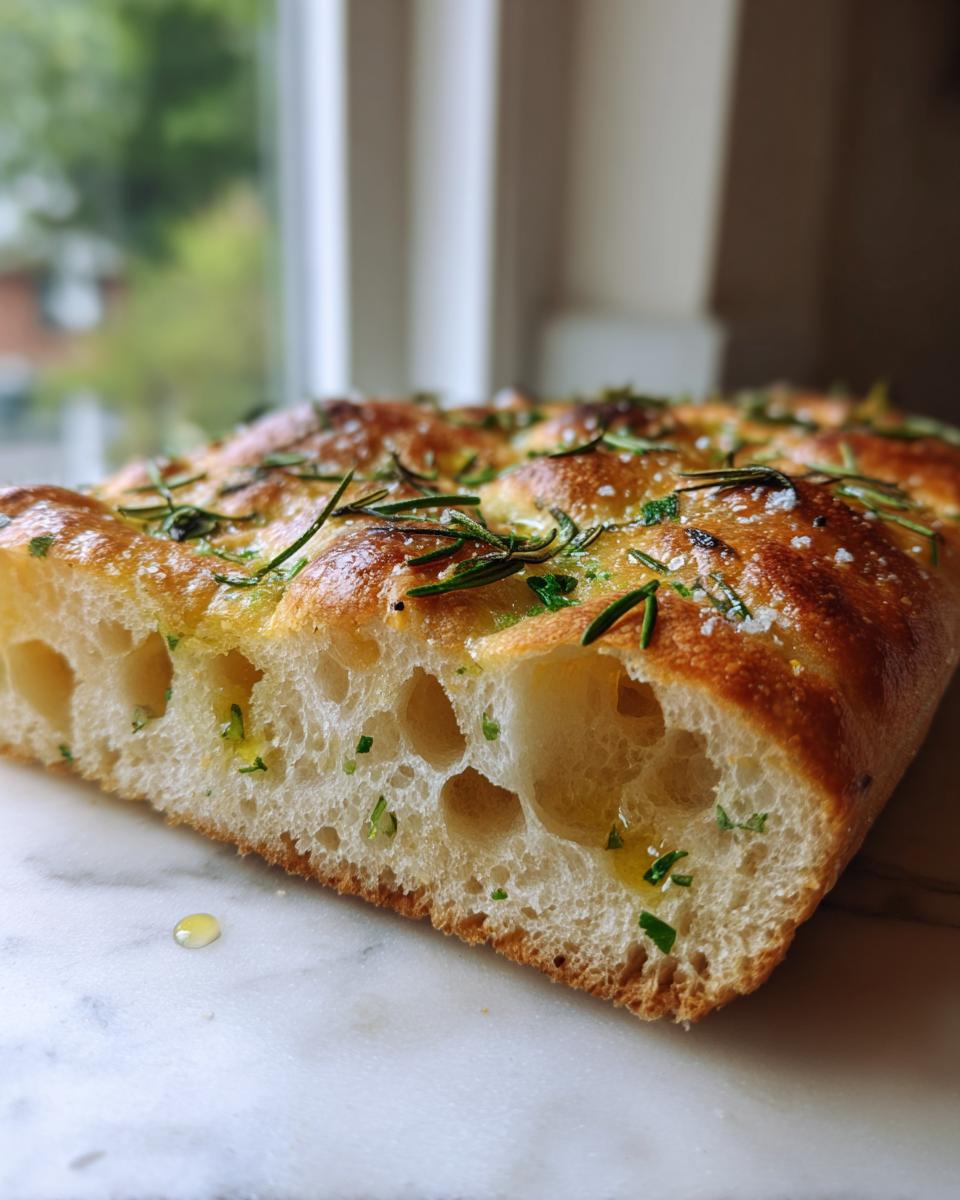
Creative Variations and Bread Art
While I think this rosemary focaccia bread is perfect as is, especially next to a savory roast, it’s so fun to play around with toppings! Since the base recipe is so easy, you have room to get creative. If you want to try some fun bread art—which I absolutely adore, by the way—you can arrange whole herb sprigs in beautiful patterns before the final bake. It looks so impressive!
Alternative Toppings and Herb Swaps
Don’t feel locked into just rosemary! Try swapping it out for fresh thyme or even a little bit of dried oregano for a more savory, Mediterranean feel. For salt, definitely stick with flaky sea salt on top; it gives you those wonderful little bursts of crunch. You could also try sprinkling on some thinly sliced garlic or even a handful of Kalamata olives right before that final drizzle of oil. Every variation of this easy focaccia recipe tastes like you spent hours fussing over it!
Serving Suggestions for Your Fresh Rosemary Recipes
This bread is practically a meal all on its own, but since we love getting the whole table involved, think about what needs soaking up those delicious olive oil puddles! It’s absolutely divine cut into large chunks and served alongside a hearty stew or roast chicken—that’s the dream pairing, really. For a simple weeknight setup, I love serving slices next to a big bowl of creamy tomato soup. Or, if you’re making a large pasta dish, this rosemary focaccia bread is the perfect textural contrast. It’s so savory, it complements almost any big, comforting meal you’re making!
Storage and Reheating Instructions
You’ll want to make sure you enjoy this rosemary focaccia bread the day it’s baked, because honestly, there is nothing better than that first warm slice. But life happens, and leftovers are a good problem to have!
If you have any leftover focaccia, the best way to store it is simply by wrapping it tightly in plastic wrap once it has cooled completely. Store it at room temperature, and it should stay pretty soft for about two full days. Don’t even think about putting this in the fridge; it makes bread go stale faster—that’s a Food Science fact I learned the hard way!
Now, for reheating, this is key to bringing back that glorious texture. If you want the crust to crisp up again and those oil pools to feel fresh, don’t microwave it! Pop a slice directly onto a baking sheet in a moderate oven (about 325°F) for about five to seven minutes. The heat will reactivate that olive oil and give you a perfectly soft interior with a lovely crisp crust again. It’s almost as good as fresh!
Frequently Asked Questions About This Rosemary Focaccia
I know when you’re dealing with a high-hydration dough, questions pop up! It’s normal. My goal is to make sure your experience with this easy focaccia recipe is smooth, even if you’re new to Italian baking at home. Ask me anything, but here are the ones I get asked the most!
Can I use all-purpose flour instead of bread flour for this easy focaccia recipe?
You can, but I really don’t recommend it if you want that perfect, chewy crumb structure. Bread flour has more protein, which is what allows the dough to stretch and hold onto all those air bubbles we created without the yeast. If you use AP flour, your bread will be softer, maybe even a little cakey, which isn’t quite the texture you get when you dive into those beautiful dimples.
How long does the dough need to proof if my kitchen is cold?
Ah, the cold kitchen dilemma! If your kitchen is on the cooler side—say, below 70°F—your yeast is going to be a little sluggish. The recipe calls for 2 hours, but if your kitchen is cold, you should plan on extending that first rise to 3 or even 4 hours. You’re looking for the dough to double in size and be full of bubbles, not just the clock time. Don’t rush the yeast, or your no knead focaccia bread won’t rise properly!
What is the best way to achieve the deep dimples without deflating the dough?
This is the key step for those gorgeous oil pools! You absolutely have to use oil on your fingers first—a good coating! Then, you press down firmly, almost poking all the way to the bottom of the pan, but you do it gently enough that you aren’t squeezing all the air out of the dough. Think of it as making gentle dents, not punching it flat. A little rest period between stretching sessions, as noted in the instructions, helps the dough relax so it doesn’t resist when you press those dimples in.
Understanding the Nutrition of Rosemary Focaccia Bread
Because we believe in full transparency here at One Dish Universe—that’s where Nona taught me food science matters, even in comfort cooking!—I wanted to give you a ballpark idea of what you’re eating when you enjoy this fantastic bread. Remember, this is an estimate based on the recipe details provided, and your actual numbers will vary slightly depending on the specific brand of flour or the exact amount of oil you decide to drizzle on top. Still, knowing what’s in your food is empowering, whether it’s a slice next to that festive roast or just a midnight snack!
- Calories: Approximately 210 per slice
- Fat: Around 9g per slice (mostly healthy fats from that generous olive oil!)
- Carbohydrates: About 30g per slice
- Protein: Roughly 5g per slice
We keep things simple, which means very little sugar here—this isn’t a dessert! You can see where the energy comes from: primarily from the bread flour. You can check out more about how we approach nutrition details on our policy page here: Read Our Nutrition and Data Policy. Enjoy that savory goodness knowing exactly what you’re fueling up with!
Share Your Baking Journey
Now that you’ve experienced the simple joy of making this incredible rosemary focaccia bread, I truly want to hear all about it! That’s the whole spirit of One Dish Universe—we create these moments of delicious, connected simplicity, and sharing the results just makes it better.
Did you serve it with that big festive roast? Did you decide to try out some fun bread art? Tell me how your high-hydration dough behaved in your oven! Your feedback helps the next person tackle this easy focaccia recipe with confidence. Please take a moment to rate the recipe below and leave a comment sharing your favorite part of the process. Hearing from you really brings that Chicago kitchen feeling right here into my modern space.
If you snapped a picture of those gorgeous, oily dimples, please share it! You can always reach out to us directly with questions or inspiration by visiting the Contact Page. Happy baking, and I can’t wait to see what you create!
PrintRosemary Focaccia Bread: No Knead Italian Baking at Home

Make this high-hydration rosemary focaccia bread using simple pantry staples. This easy focaccia recipe creates deep dimples filled with olive oil for a satisfying, tactile baking project.
- Prep Time: 15 min
- Cook Time: 25 min
- Total Time: 2 hours 40 min
- Yield: 10 servings 1x
- Category: Bread
- Method: Baking
- Cuisine: Italian
- Diet: Vegetarian
Ingredients
- 3 cups bread flour
- 1 teaspoon instant dry yeast
- 1 1/2 teaspoons fine sea salt
- 1 1/2 cups warm water (about 105°F)
- 1/4 cup extra virgin olive oil, plus more for drizzling
- 2 tablespoons fresh rosemary leaves, roughly chopped
- Flaky sea salt, for topping
Instructions
- In a large bowl, whisk together the bread flour, yeast, and fine sea salt.
- Pour in the warm water and 1/4 cup of olive oil. Mix with a wooden spoon or spatula until just combined. The dough will be very wet and shaggy. Do not overmix.
- Cover the bowl tightly with plastic wrap and let it rest at room temperature for 2 hours, or until the dough has doubled in size and is bubbly.
- Lightly grease a 9×13 inch baking pan with olive oil. Gently scrape the dough out of the bowl and into the prepared pan.
- Turn the dough over once to coat both sides with oil. Cover the pan loosely with plastic wrap and let it rest for another 30 minutes.
- Preheat your oven to 425°F (220°C).
- Gently stretch the dough with oiled fingers to fill the pan corners. Do not force it. Let it rest for 15 minutes.
- Using oiled fingertips, press firmly down into the dough to create deep dimples all over the surface. Be sure to reach the bottom of the pan without tearing the dough.
- Drizzle generously with more olive oil, ensuring the oil pools slightly in the dimples. Sprinkle evenly with the chopped fresh rosemary and flaky sea salt.
- Bake for 20 to 25 minutes, or until the top is golden brown and the bottom sounds hollow when tapped.
- Remove from the oven and immediately transfer the focaccia to a wire rack to cool slightly before slicing.
Notes
- For the best texture, use high-quality bread flour.
- If you prefer a more intense rosemary flavor, infuse the olive oil with rosemary sprigs for 30 minutes before using it in the recipe.
- This bread is excellent for making bread art by arranging rosemary sprigs before baking.
Nutrition
- Serving Size: 1 slice
- Calories: 210
- Sugar: 0.5
- Sodium: 350
- Fat: 9
- Saturated Fat: 1.5
- Unsaturated Fat: 7.5
- Trans Fat: 0
- Carbohydrates: 30
- Fiber: 1
- Protein: 5
- Cholesterol: 0